Harmony Gold's solar programme heads toward 456MW as Sungazer 2 takes shape
A 100MW plant at Moab Khotsong follows the 30MW already running at three Free State operations, part of a R2bn renewables build-out
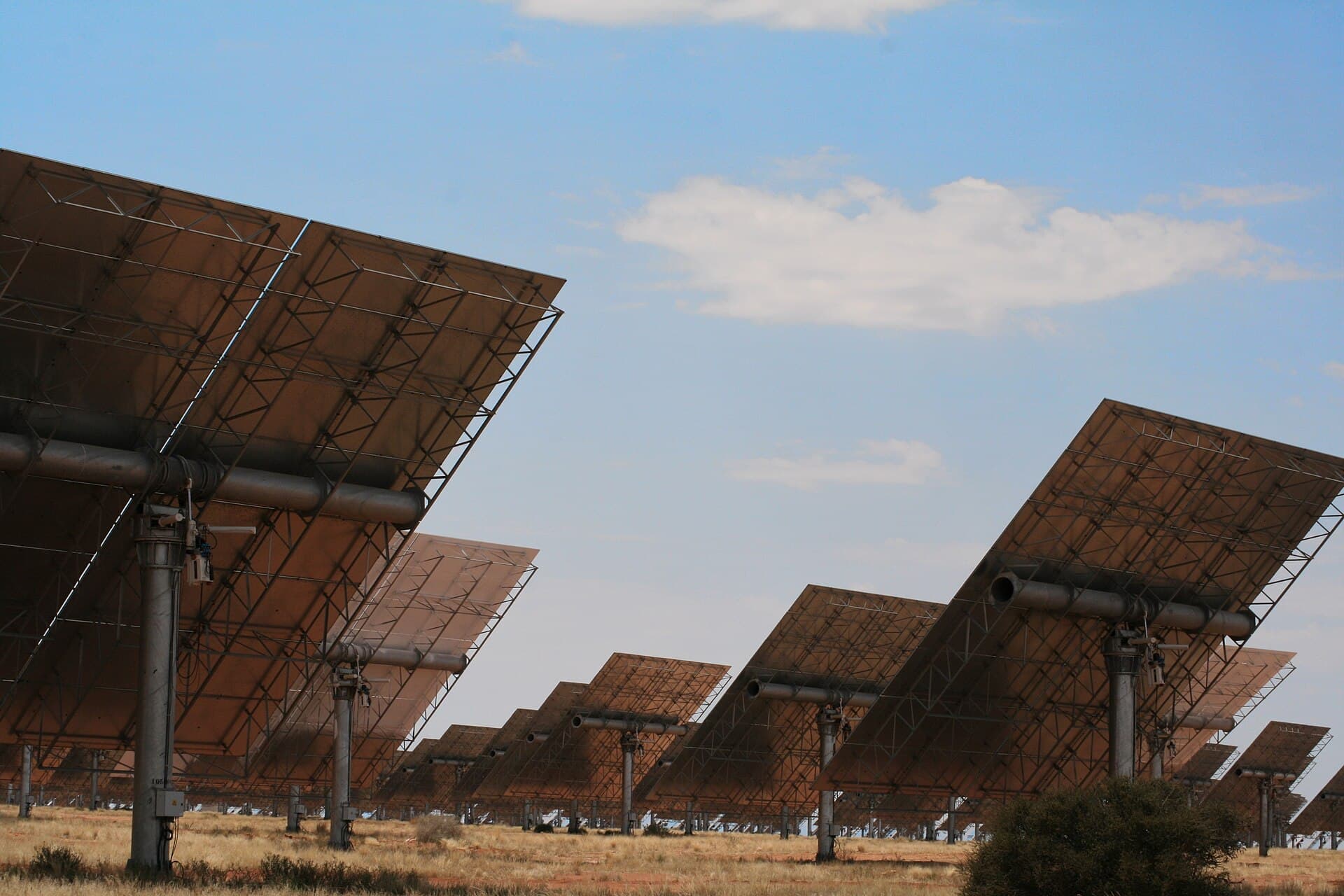
Harmony Gold is pressing ahead with the second phase of its Sungazer renewable-energy programme, a 100MW solar plant under construction at its Moab Khotsong operation in the North West province, as South Africa's largest gold producer works to cut its exposure to Eskom tariff increases. The company invested R446 million in the project during the first half of its 2025 financial year, part of a roughly R1.7 billion budget for the 100MW phase.
Sungazer 2 follows the first phase of the programme, three 10MW solar plants at Harmony's Tshepong, Eland and Nyala operations in the Free State, commissioned in August 2023. That first phase generates about 70 gigawatt-hours a year and cuts an estimated 49,000 tonnes of carbon dioxide emissions annually. Sungazer 2 is expected to more than triple that output once complete, generating about 230 gigawatt-hours a year and reducing emissions by roughly 163,000 tonnes annually.
More phases already planned
Harmony has laid out further phases beyond Moab Khotsong: a combined 108MW across Sungazer 3 and a 3-Extension phase, targeted for its 2028 and 2029 financial years, expected to generate about 253 gigawatt-hours a year, and a 100MW Sungazer 4 phase pencilled in for the 2029 financial year, expected to add a further 230 gigawatt-hours. Beyond its own solar plants, Harmony is also contracting 260MW of wheeled wind power, expected to supply about 900 gigawatt-hours a year, and 200MW of capacity through power purchase agreements, adding a further 500 gigawatt-hours.
Betting on cheaper, cleaner power
Across all phases, Harmony has budgeted roughly R2 billion for its renewable-energy programme, a relatively modest outlay set against the scale of savings the company expects from displacing grid electricity at some of its deepest and most energy-intensive gold operations. As with peers such as Sibanye-Stillwater and Anglo American, the calculation is straightforward: renewable power, once built, is cheaper and more predictable than Eskom's rising tariffs, even if it cannot alone replace the baseload electricity gold mining still needs for hoisting, refrigeration and underground ventilation.
Sources
Photo: Solar power infrastructure in South Africa, the technology underpinning Harmony Gold's Sungazer renewable programme. Jaro Nemčok, Wikimedia Commons, CC BY-SA 4.0.
Was this useful?
More from MiningWrap
Nersa grants Manganese Metal Company a two-year Eskom discount
Nersa approves discounted Eskom power rate to save ferrochrome smelters
Richards Bay Minerals switches on 148MW Bolobedu solar farm
South32 shuts Mozal aluminium smelter after Eskom and HCB power talks collapse
The whole sector in one weekly read.
Deals, policy and markets — every Thursday.
Discussion
Loading comments…