Nersa approves discounted Eskom power rate to save ferrochrome smelters
Samancor Chrome and the Glencore-Merafe venture win a 62c/kWh tariff after years of curtailments and closures
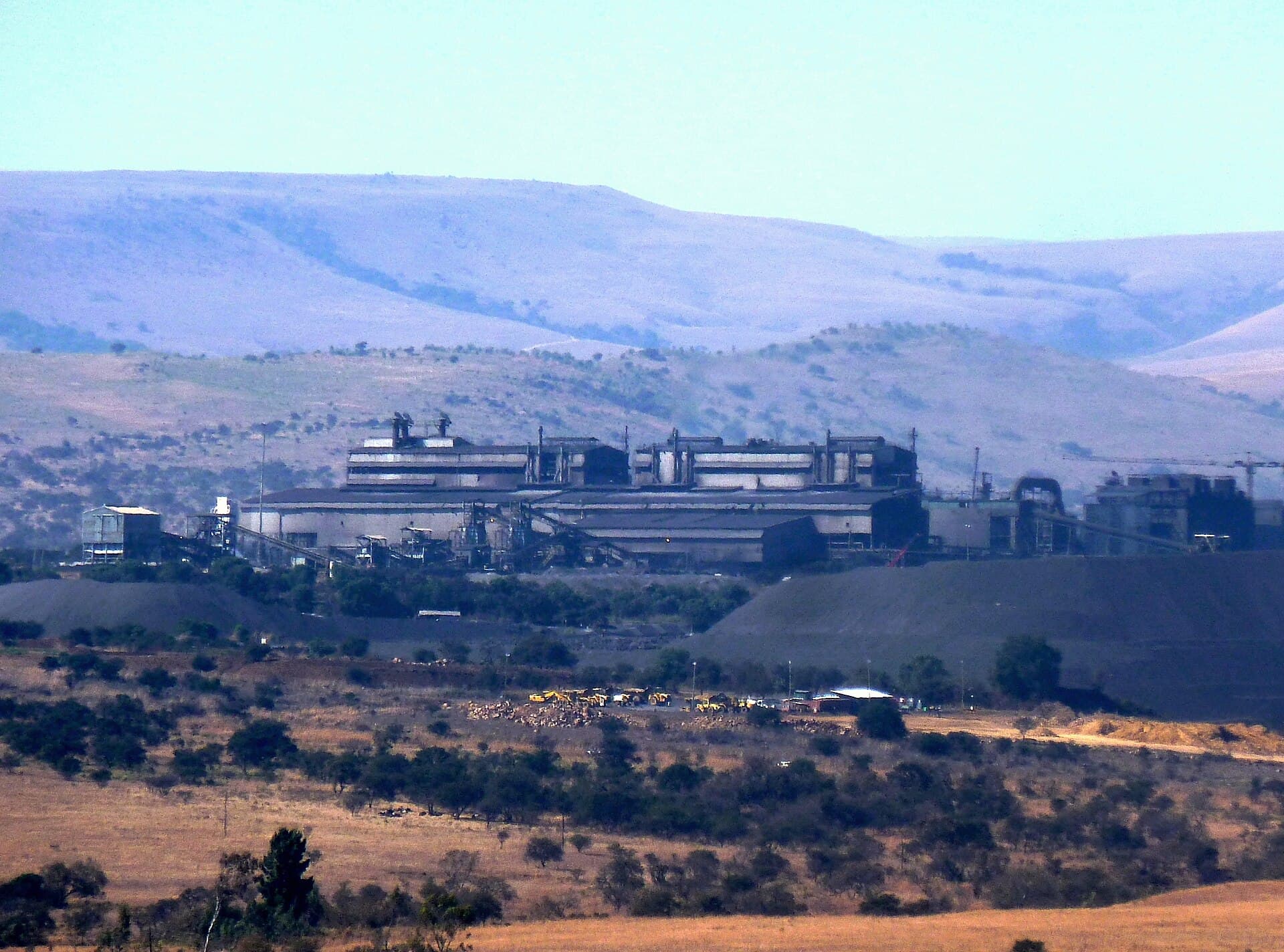
The National Energy Regulator of South Africa (Nersa) has approved a discounted electricity tariff of 62 cents per kilowatt-hour for Samancor Chrome and the Glencore-Merafe Chrome Venture, the country's two biggest ferrochrome producers, in a bid to stop further smelter closures after years of rising power costs. Eskom submitted the tariff application on 10 April 2026, held public hearings on 25 May, and Nersa confirmed its approval on 29 May.
The agreement runs for five years for Samancor Chrome and three years for the Glencore-Merafe venture. Eskom chief executive Dan Marokane said the framework "is structured within a regulated environment, includes appropriate risk-sharing mechanisms and does not place additional financial obligations on standard tariff customers or taxpayers", with a market-linked upside-sharing mechanism built in so Eskom can recover more if chrome prices rise.
An industry hollowed out by power costs
South Africa holds the world's largest chrome reserves but has lost its position as the top global processor of chrome ore into ferrochrome to China, largely because of a roughly tenfold rise in electricity costs since 2008. Of the country's 66 ferrochrome smelters, only 11 were operating by early 2026, and Glencore-Merafe had curtailed production by 63% in 2025 as it battled to stay viable on standard industrial tariffs.
The tariff relief follows years of lobbying by the Ferro Alloy Producers' Association and the two companies, who argued that without a discount pegged closer to their competitors' power costs, remaining smelters would close permanently, taking thousands of jobs with them in Limpopo, Mpumalanga and the North West. Because ferrochrome is the main way South Africa adds value to chrome ore before export, its smelters' survival is tied directly to whether the raw ore is processed locally or simply shipped out for smelting elsewhere.
A template for other smelters
Nersa and Eskom have signalled the ferrochrome deal is the first in a broader "Eskom Smelter Task Team" process intended to extend similar negotiated pricing agreements to other energy-intensive metals processors, including manganese and possibly aluminium. For chrome miners and smelter operators, the tariff buys time rather than certainty: it depends on Eskom's own finances holding up, and on ferrochrome and chrome ore prices staying strong enough that the risk-sharing mechanism does not become a net cost to the utility.
Sources
- Eskom: Eskom concludes 62c/kWh electricity tariff for Samancor Chrome and Glencore–Merafe Chrome ferrochrome smelters, 29 May 2026
- CNBC Africa: South Africa's Eskom seeks regulatory approval for discounted ferrochrome tariff, 29 May 2026
Photo: A ferrochrome smelter plant in Lydenburg, Mpumalanga, South Africa. JMK, Wikimedia Commons, CC BY-SA 3.0.
Was this useful?
More from MiningWrap
Richards Bay Minerals switches on 148MW Bolobedu solar farm
Glencore-Merafe to restart Boshoek and Wonderkop ferrochrome smelters
Samancor issues Section 189 notice covering 2,403 chrome smelter jobs
Sibanye-Stillwater's renewable power push passes 160MW as miners race to cut Eskom reliance
The whole sector in one weekly read.
Deals, policy and markets — every Thursday.
Discussion
Loading comments…