Friedland warns Iran war threatens Africa's copper output
The Ivanhoe chairman said Middle East sulphur supplies, on which the copperbelt heavily depends, were drying up
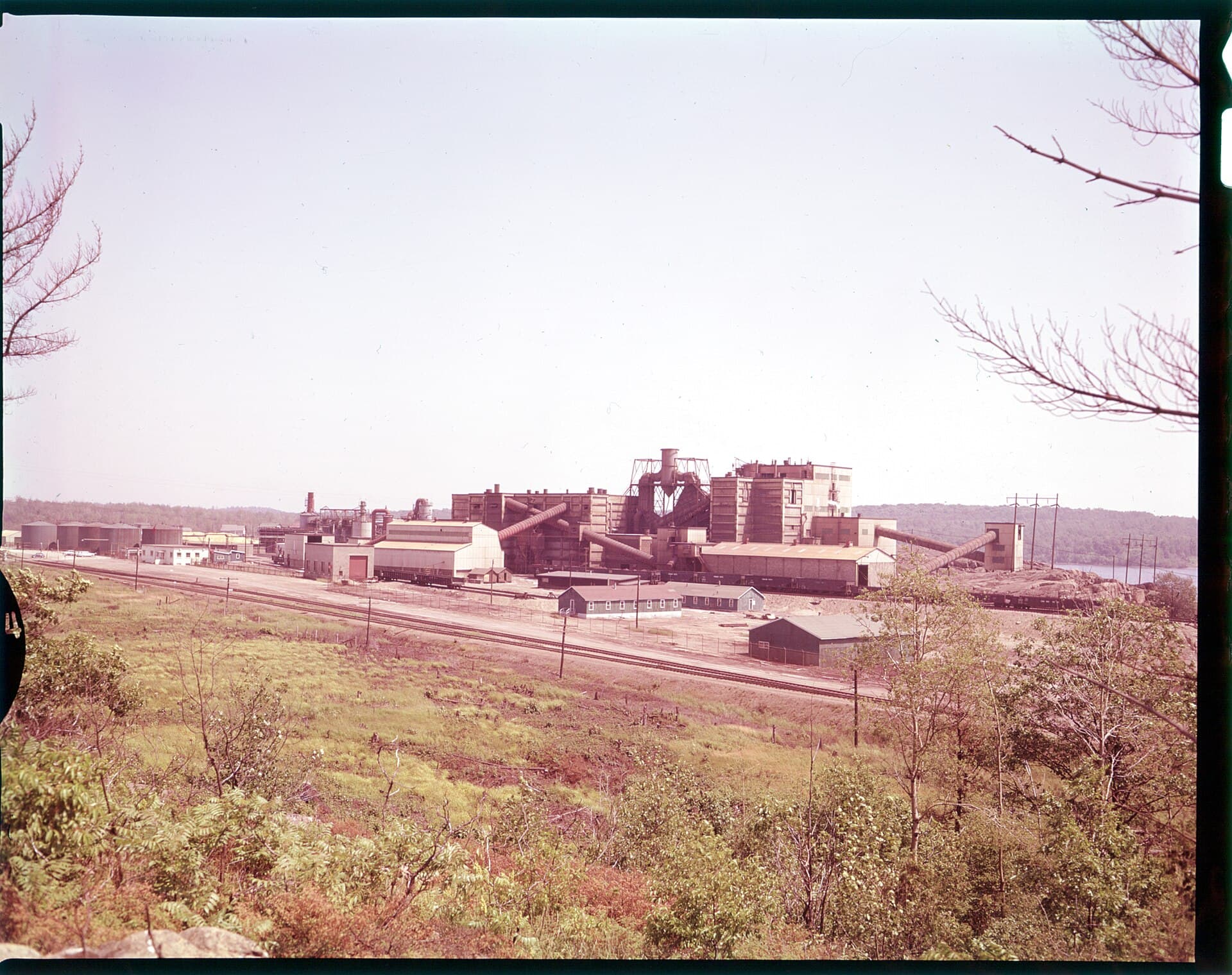
Ivanhoe Mines executive chairman Robert Friedland has warned that copper production across Africa faces serious disruption if the conflict in Iran continues, given the continent's heavy reliance on Middle Eastern sulphur supplies used to make the sulphuric acid needed to process copper ore.
Friedland, whose company operates copper mines across the DRC, said the central African mining belt imports around two million tonnes of sulphur a year, roughly 90% of it from the Middle East. Sulphuric acid, derived from sulphur, is essential for leaching copper from oxide ores. "I have heard that traders are already struggling to source any," Friedland said. "Sulphuric acid prices will therefore significantly increase across Africa."
A widening conflict
The US-Israeli campaign against Iran had entered its sixth day at the time, with no sign of abating. Iran's Islamic Revolutionary Guards Corps vowed to intensify retaliatory strikes, even as US President Donald Trump said Washington was "doing very well on the war front." Arab states and Israel continued to intercept Iranian missiles and drones overnight.
An overlooked supply-chain risk
Friedland's warning drew attention to a vulnerability in copper's supply chain that had received little attention until the conflict began: a large share of the DRC's copper is produced by leaching, solvent extraction and electrowinning, a process that depends on abundant, cheap sulphuric acid rather than on smelting. A sustained sulphur shortage would raise costs across nearly every Congolese copper producer simultaneously, regardless of individual operational performance. The warning proved prescient. Within weeks, consultancies including Wood Mackenzie were publishing specific estimates of how many tonnes of DRC copper output could be lost to the acid squeeze, and by July the International Energy Agency was citing the DRC's acid dependency as a central risk to the entire global copper supply outlook. For a country that had spent the previous year absorbing the shock of seismic disruption at Kamoa-Kakula, a second, unrelated supply-chain threat arriving almost simultaneously underscored just how many separate points of failure sit between Congolese ore and finished copper metal.
Sources
Photo: A sulphuric acid plant of the kind used to produce leaching acid for copper processing. Unknown, Wikimedia Commons, OGL-ON.
Was this useful?
More from MiningWrap

The whole sector in one weekly read.
Deals, policy and markets — every Thursday.
Discussion
Loading comments…