Debswana seeks $6bn to take Jwaneng underground
Botswana's flagship mine needs global capital markets funding to move from open pit to underground by 2034
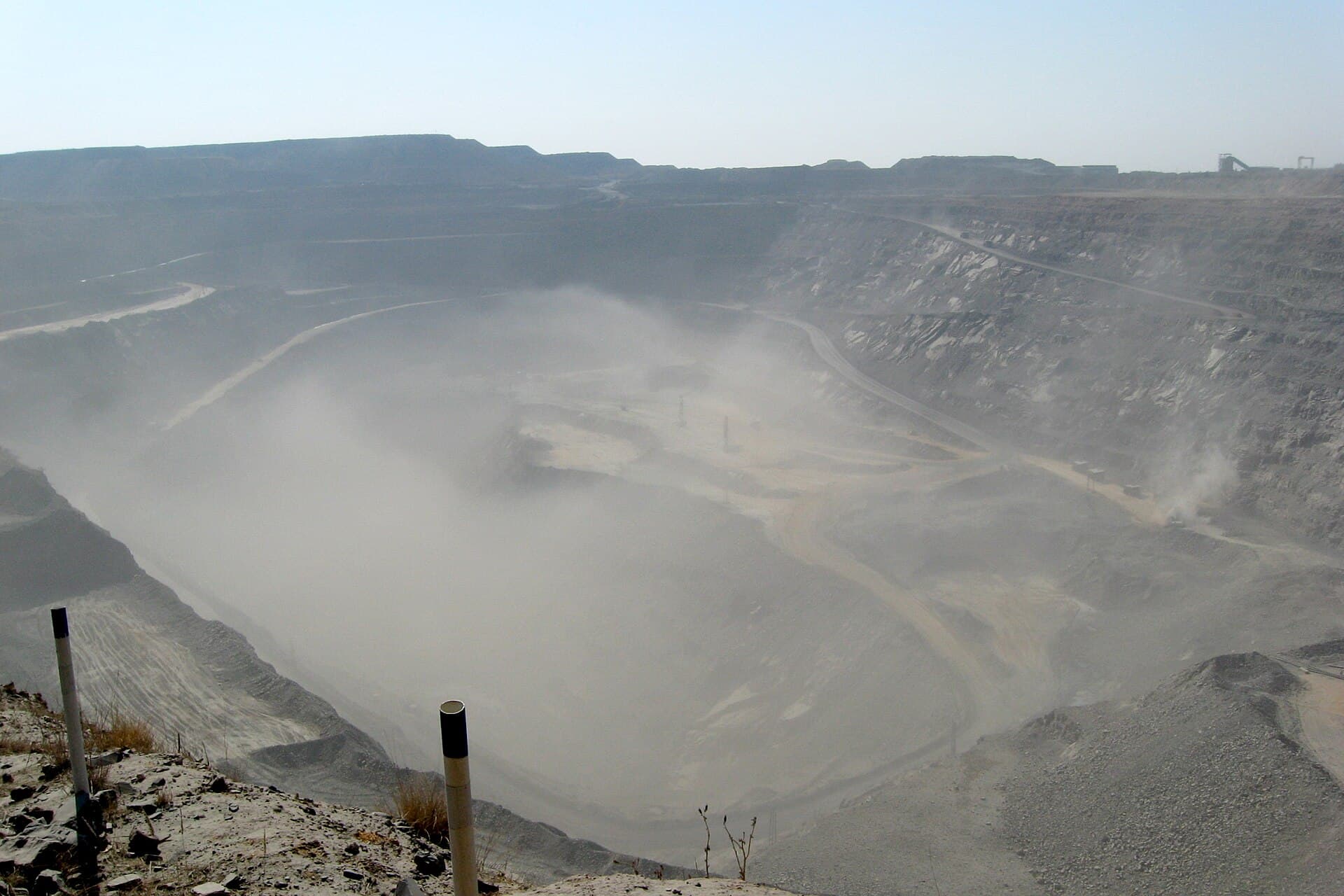
Debswana, the 50-50 joint venture between the Botswana government and De Beers, is seeking to raise roughly $6 billion on international capital markets to fund the transition of its flagship Jwaneng mine from open-pit to underground mining, a project designed to extend the mine's life to 2054.
Managing director Andrew Motsomi said the company plans to "extend operations at its premier Jwaneng facility until 2054 by transitioning from open-pit to underground extraction," a shift that needs to happen before surface mining becomes uneconomical at Jwaneng around 2034.
A break from self-funding
The scale of the underground project marks a significant departure for Debswana, which has traditionally funded its capital programme internally rather than tapping global debt markets. To borrow on the scale required, the company is pursuing an international credit rating that would let it access capital markets directly rather than relying solely on shareholder funding or domestic banks.
The numbers involved are large relative to Debswana's recent capital spending: annual capital expenditure is set to rise from an average of 5 billion pula (about $373 million) to roughly 8 billion pula a year over the next five-year investment cycle, even as diamond production has been cut sharply — down 27% the previous year, with a further 16% reduction planned.
Why Jwaneng matters so much
Jwaneng has long been described as the richest diamond mine in the world by value, and it underpins a large share of Botswana's government revenue and export earnings. Losing access to Jwaneng's ore once open-pit mining becomes uneconomic would be a serious blow to an economy in which diamonds already account for around a third of government revenue and the bulk of export income. The underground project is therefore less an optional growth initiative than an attempt to preserve the country's single most important economic asset for another three decades.
Timing against a weak market
The fundraising push comes at an awkward moment, with rough diamond prices depressed by lab-grown competition and soft Chinese demand, and with Debswana's own revenues under pressure. Persuading international lenders to commit billions of dollars to a mine extension while the industry is contracting will test investor appetite, even for an asset with Jwaneng's pedigree, and the outcome will shape how much of Botswana's diamond wealth can be preserved beyond the mid-2030s.
Sources
Photo: The Jwaneng open-pit diamond mine in Botswana, operated by Debswana. Cretep, Wikimedia Commons, Public domain.
Was this useful?
More from MiningWrap
The whole sector in one weekly read.
Deals, policy and markets — every Thursday.
Discussion
Loading comments…