
Brenda Tambatamba Takes Over Zambia’s Mining Ministry
Zambian President Hakainde Hichilema has appointed Brenda Tambatamba as Minister of Mines and Minerals Development, placing a former mining industry executive in charge of the country's efforts to expand copper production.
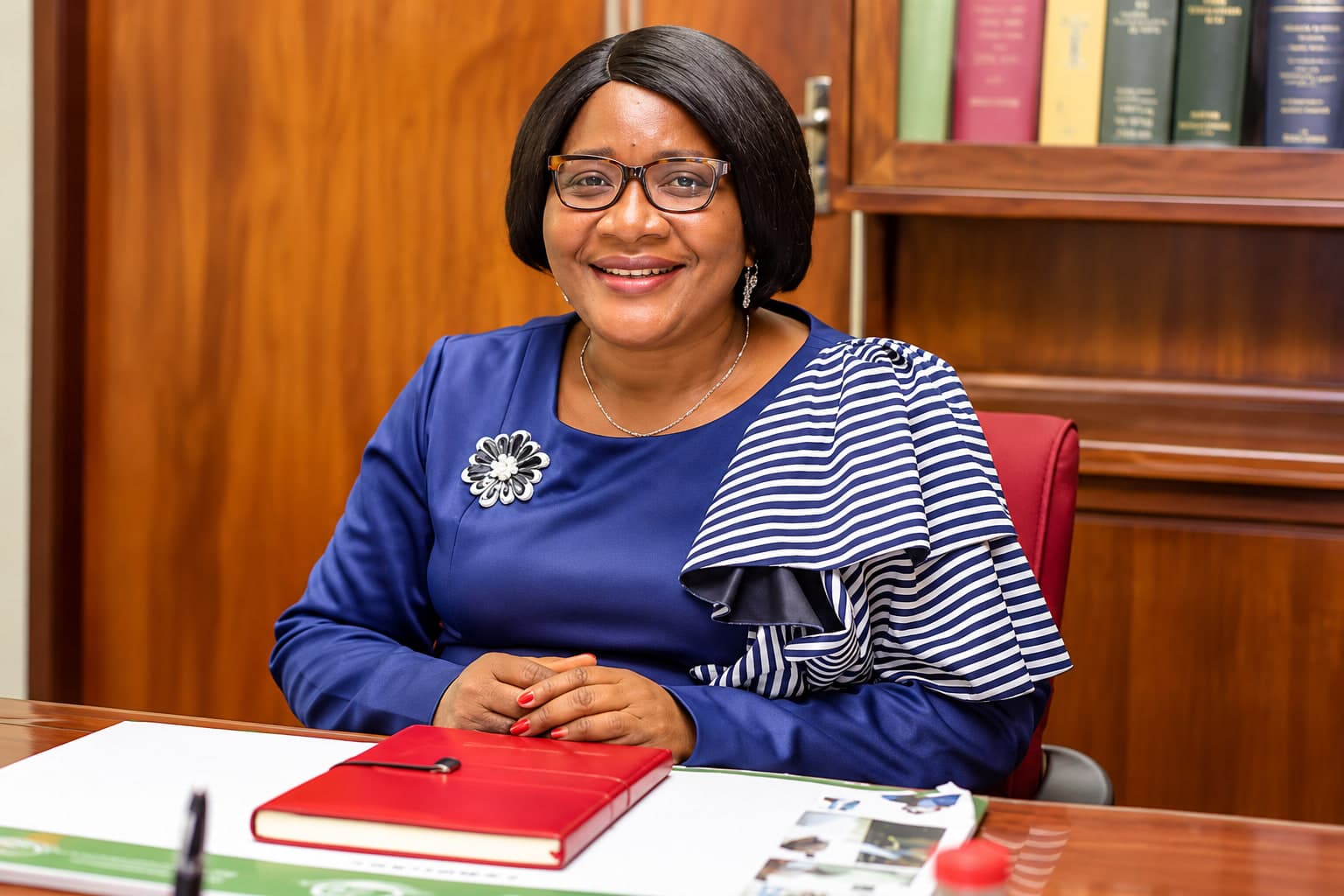
Zambian President Hakainde Hichilema has appointed Brenda Tambatamba as Minister of Mines and Minerals Development, placing a former mining industry executive in charge of the country's efforts to expand copper production.
Tambatamba was sworn in on Wednesday, October 28, 2026, at the presidential offices in Lusaka. She succeeds Paul Kabuswe, who held the position for nearly five years.
Kabuswe lost his Chililabombwe parliamentary seat in the August 13 elections to Nsofwa Lupele of the Resolute Party. His departure comes as Zambia seeks to attract more capital into its copper industry and increase output from existing operations while bringing new projects into production.
Former Barrick Executive Takes Charge
Tambatamba brings direct experience in Zambia's mining industry. Before entering government, she worked as sustainability manager at Lumwana, the copper mine operated by Canadian mining company Barrick in northwestern Zambia. Her responsibilities included social issues and engagement with local communities.
She has represented Kasempa in Parliament since 2016 and served as Minister of Labour and Social Security from 2021 to 2026.
Her experience in mining operations and government gives her a background in two areas relevant to the ministry's responsibilities: maintaining relationships with mining companies and addressing the social and economic interests of communities around mining projects.
Zambia Targets 3 Million Tonnes of Copper
Zambia, Africa's second-largest copper producer after the Democratic Republic of Congo, aims to raise annual copper production to 3 million tonnes by 2031. Output stood at approximately 890,000 tonnes in 2025.
Reaching the target will require increased production at established mines, the development of new deposits and substantial investment in mining and processing infrastructure.
Under Kabuswe, the government secured investment commitments aimed at restarting operations and increasing production at the Mopani Copper Mines and Konkola Copper Mines. Both operations are important to Zambia's plans to expand copper output.
Turning those commitments into sustained production remains a major task for the ministry. New investment must translate into operational capacity, while existing mines need the capital and infrastructure required to increase output.
Mining Investment and Local Content
Tambatamba also inherits disagreements over mining regulations and the cost of doing business in Zambia.
In September 2024, the Zambia Chamber of Mines criticised proposed regulations, warning that they could discourage investment. The concerns highlighted tensions between the government's regulatory objectives and mining companies' expectations for a predictable investment environment.
The new minister will also oversee the implementation of local content rules intended to increase the participation of Zambian businesses in the mining supply chain.
These policies place additional responsibilities on the ministry as it pursues higher production. Mining companies need to expand operations and invest in new capacity, while the government wants a greater share of industry spending to reach local suppliers and businesses.
Was this useful?
More from MiningWrap
Vedanta plans $317m coal power plant as Zambia presses for faster investment
The whole sector in one weekly read.
Deals, policy and markets — every Thursday.
Discussion
Loading comments…