BMI cuts Zimbabwe lithium output forecast and lifts price view after export halt
Fitch's research arm expects the concentrate freeze to tighten supply until processing plants ramp up in 2027
Zimbabwe's abrupt suspension of lithium concentrate exports will squeeze global supply for more than a year but should prove a shorter and shallower shock than the Democratic Republic of Congo's cobalt curbs, according to BMI, the research unit of Fitch Solutions.
In a report released on 3 March, BMI said miners in Zimbabwe would have little option but to cut production until enough local processing capacity is available. It lowered its 2026 forecast for Zimbabwean mine output to 131,100 tonnes of lithium carbonate equivalent and said tight conditions were likely to persist until at least mid-to-late 2027.
A deadline brought forward
Mines Minister Polite Kambamura announced on 25 February that exports of all raw minerals and lithium concentrates were suspended until further notice, including material already in transit, Al Jazeera reported. The concentrate ban had been scheduled for January 2027. A ministry letter to the Chamber of Mines dated 17 February cited continuing malpractice in mineral exports.
The stakes are considerable. Zimbabwe shipped 1.128 million tonnes of spodumene concentrate in 2025, 11% more than a year earlier, and BMI estimates the country now accounts for about 10% of global lithium production. Bloomberg reported that lithium prices jumped on the news.
Only one plant in sight
The difficulty is that Zimbabwe has almost no processing capacity to absorb the concentrate it can no longer sell. The first facility, built by Zhejiang Huayou Cobalt, was expected within months but is designed to treat only material from Huayou's own Arcadia mine. BMI therefore expects producers without their own plants to scale back temporarily. Growth should resume in 2027 as lithium sulphate plants at Sinomine's Bikita mine and the state-linked Kamativi mine come on stream.
BMI argued the ban would do less damage downstream than Congo's cobalt restrictions because Zimbabwe's share of lithium supply is too small to trigger demand destruction among battery makers, whereas the DRC supplies around 75% of the world's cobalt. It also judged Harare's policy more likely than Kinshasa's to succeed in drawing processing investment into the country.
Higher prices
On the back of the supply risk, BMI raised its 2026 price forecasts, now expecting Chinese lithium carbonate to average $13,500 a tonne and hydroxide monohydrate $13,000 a tonne. It said a further upgrade could follow in the coming weeks as prices appeared to be bottoming out after a long period of oversupply.
For African producers elsewhere, including Mali's Goulamina and Bougouni and Nigeria's emerging operations, a tighter market is welcome news after a protracted period of oversupply. For Zimbabwe's own miners, the benefit depends on how quickly Harare lets concentrate move again.
Sources
- MINING.COM: Zimbabwe export ban a temporary dent on lithium supply, says Fitch's BMI, 03 Mar 2026
- Al Jazeera: Zimbabwe imposes ban on exports of all raw minerals and lithium concentrate, 25 Feb 2026
- Bloomberg: Lithium Prices Jump After Zimbabwe Bans Concentrate Exports, 26 Feb 2026
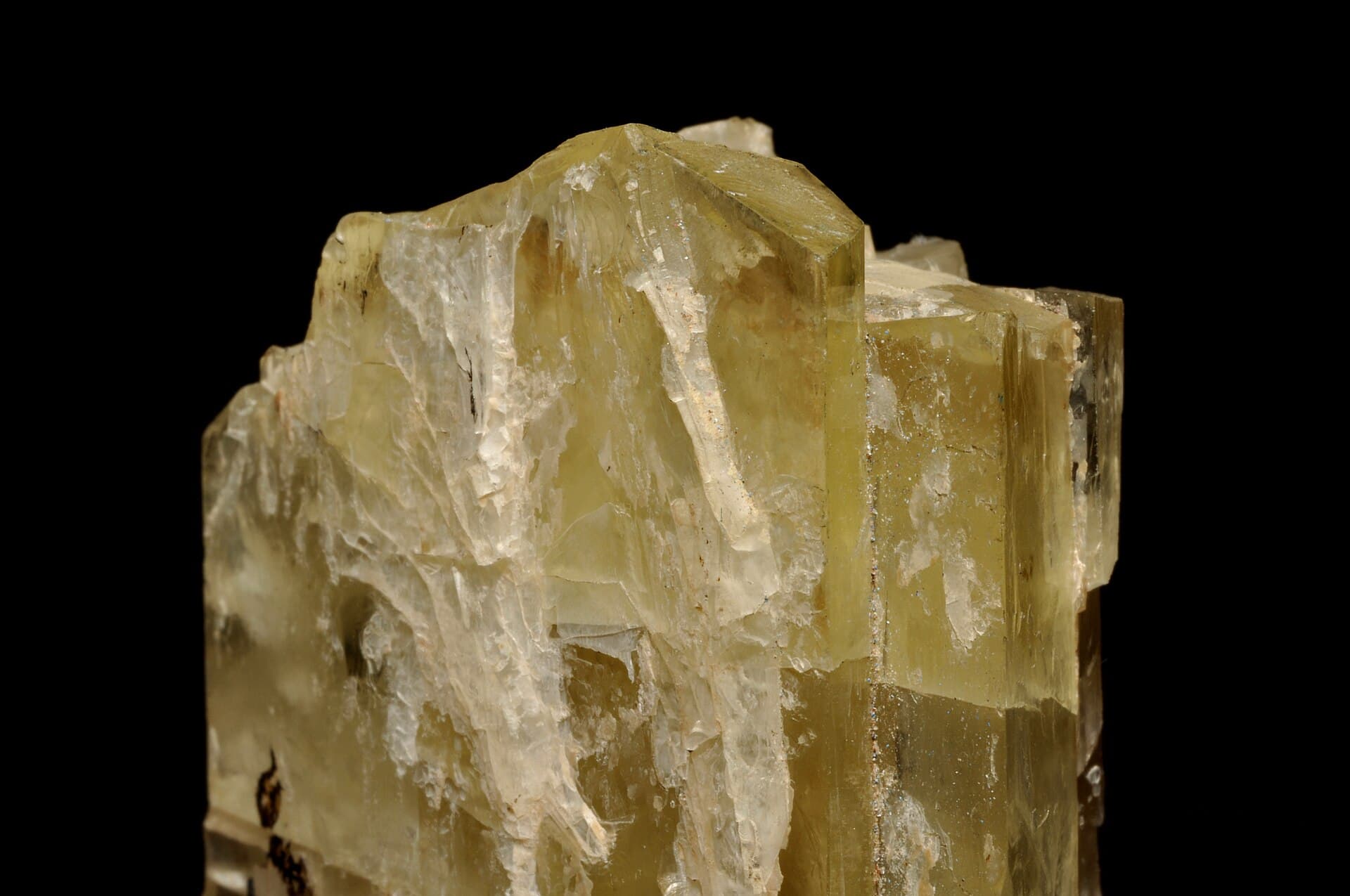
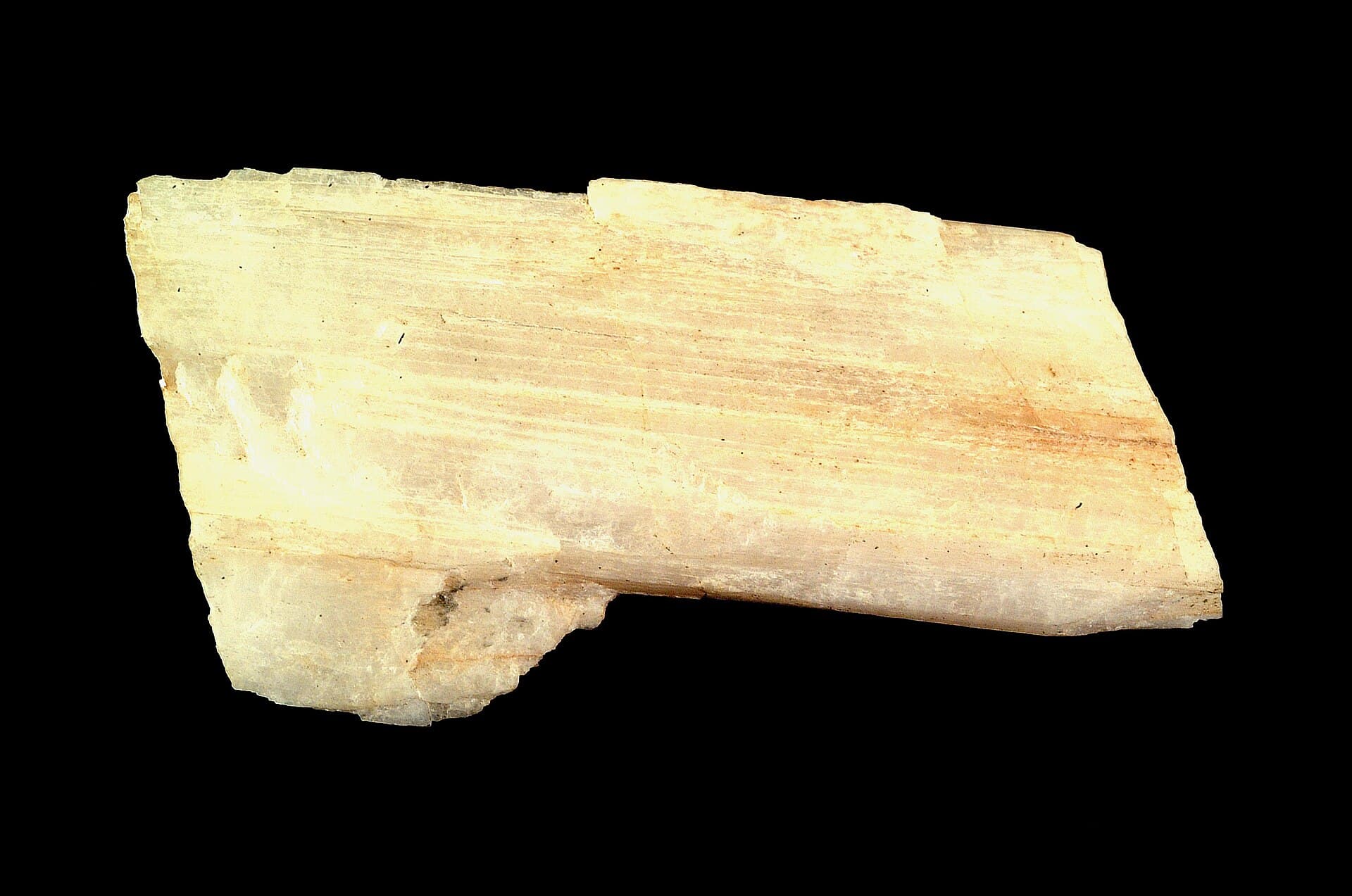
Photo: Spodumene crystal, the lithium-bearing mineral mined in Zimbabwe. Géry PARENT, Wikimedia Commons, Public domain.
Was this useful?
More from MiningWrap
The whole sector in one weekly read.
Deals, policy and markets — every Thursday.
Discussion
Loading comments…