Acid spill from Chinese-owned mine poisons Zambia's Kafue River
A tailings dam breach at Sino-Metals Leach Zambia sent tens of millions of litres of acidic waste into a river that supplies millions of people
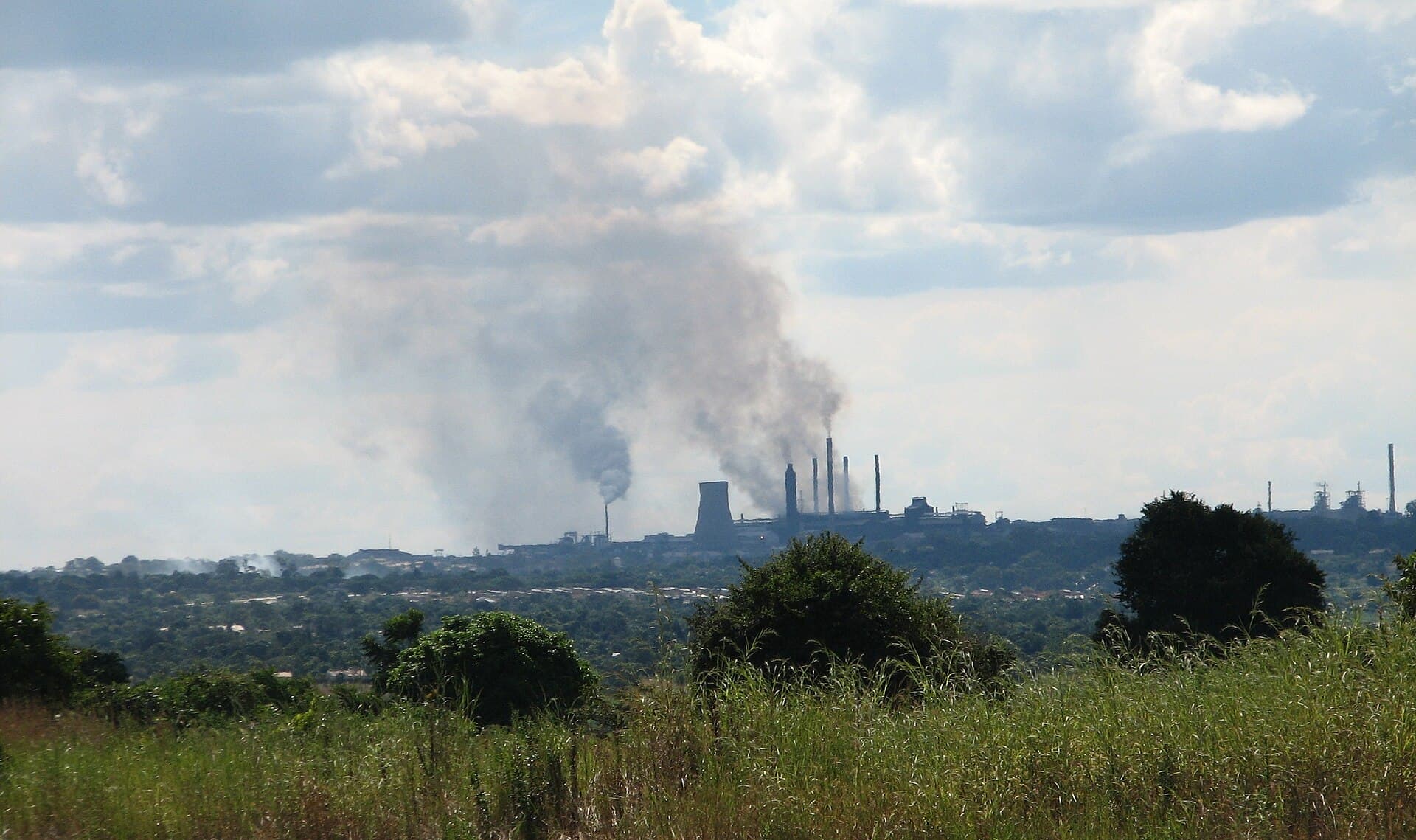
A tailings dam at Sino-Metals Leach Zambia's Chambishi plant on the Copperbelt burst on 18 February 2025, sending acidic mining effluent into a stream that feeds the Kafue River. Estimates of the volume released have varied, with early accounts citing about 50 million litres of waste, while a later assessment commissioned to study the pollution put the total closer to 1.5 million tonnes of acidic material.
The Kafue is Zambia's most important inland waterway, supplying drinking water to more than five million people, including residents of Lusaka, and supporting fishing and irrigation for roughly 12 million people across the country. Within hours of the spill, residents downstream reported dead fish and silent riverbanks. "Fish died and birdlife disappeared almost immediately," one local resident said, describing the river as effectively dead for a stretch of more than 100km.
A company apology and a presidential crisis declaration
Sino-Metals, a subsidiary of the state-owned China Nonferrous Metal Mining Group, apologised for the incident. Chairperson Zhang Peiwen called it "a big alarm" and said the company would "go all out" to restore the river environment. President Hakainde Hichilema declared the spill a national crisis, ordering Sino-Metals to fund the clean-up, deploying the Zambian Air Force to drop lime into the watercourse to neutralise acidity, and temporarily suspending mining operations in the area.
Government and company statements have not always agreed on the scale of the damage. Zambian authorities said the acidity had been brought under control and that heavy-metal concentrations were falling, even as independent water testing later in the year continued to find elevated levels of nickel, lead, arsenic, zinc and uranium.
Livelihoods and a slow clean-up
Beyond the immediate fish kill, the spill burned maize and groundnut crops and was blamed for livestock deaths along the watercourse, hitting farmers and fishing families who depend on the Kafue for their livelihoods. The government ordered Sino-Metals to compensate more than 500 affected farmers, but months after the disaster, some community members said promised payments had not materialised.
Why it matters for Zambia's copper ambitions
The disaster lands at an awkward moment for Zambia, which is trying to more than double copper output over the next decade to capitalise on global demand for battery and grid metals, much of it with Chinese capital and technical partners. Chambishi has been a hub of Chinese investment in Zambian copper since the 1990s. Environmental groups argue the spill exposes weak oversight of tailings storage across the Copperbelt, a concern that is likely to attract renewed scrutiny from regulators and financiers as more capacity is added along the same river system.
Sources
- Daily Maverick: Massive environmental disaster unfolding as poison from Chinese mine flows down major Zambian river, 25 Mar 2025
- Climate Home News: An acid spill in Zambia tests the country's plans to boost production, 28 Mar 2025
Photo: The Copperbelt town of Kitwe, Zambia, near the copper mining district affected by the Sino-Metals acid spill. Per Arne Wilson, Norway, Wikimedia Commons, CC BY-SA 3.0.
Was this useful?
More from MiningWrap
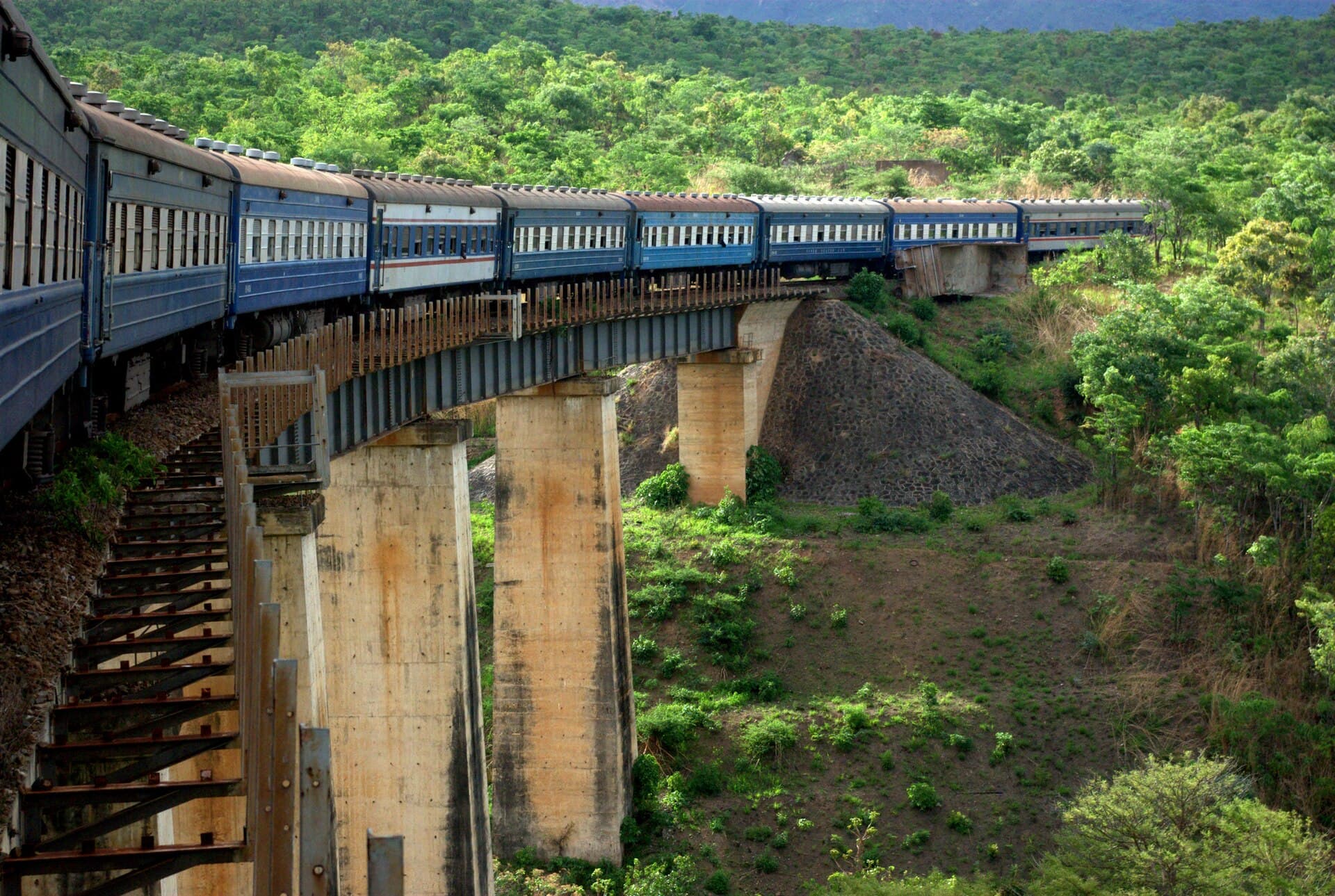
TAZARA revival breaks ground on Dar es Salaam control centre
The whole sector in one weekly read.
Deals, policy and markets — every Thursday.
Discussion
Loading comments…