US development bank presses ahead with $50m rare earths bet in South Africa despite diplomatic rift
The DFC-backed investment in Rainbow Rare Earths' Phalaborwa project proceeded even as Washington froze other financial assistance to Pretoria
The US International Development Finance Corporation (DFC) confirmed in April 2026 that it was moving ahead with a $50m equity investment, made through critical-minerals investor TechMet, in Rainbow Rare Earths' Phalaborwa project in South Africa's Limpopo province. The commitment, first structured in 2023, proceeded even as diplomatic relations between Washington and Pretoria sank to what observers described as their lowest point in decades, following a February 2026 executive order halting other forms of US financial assistance to South Africa.
An unusual project
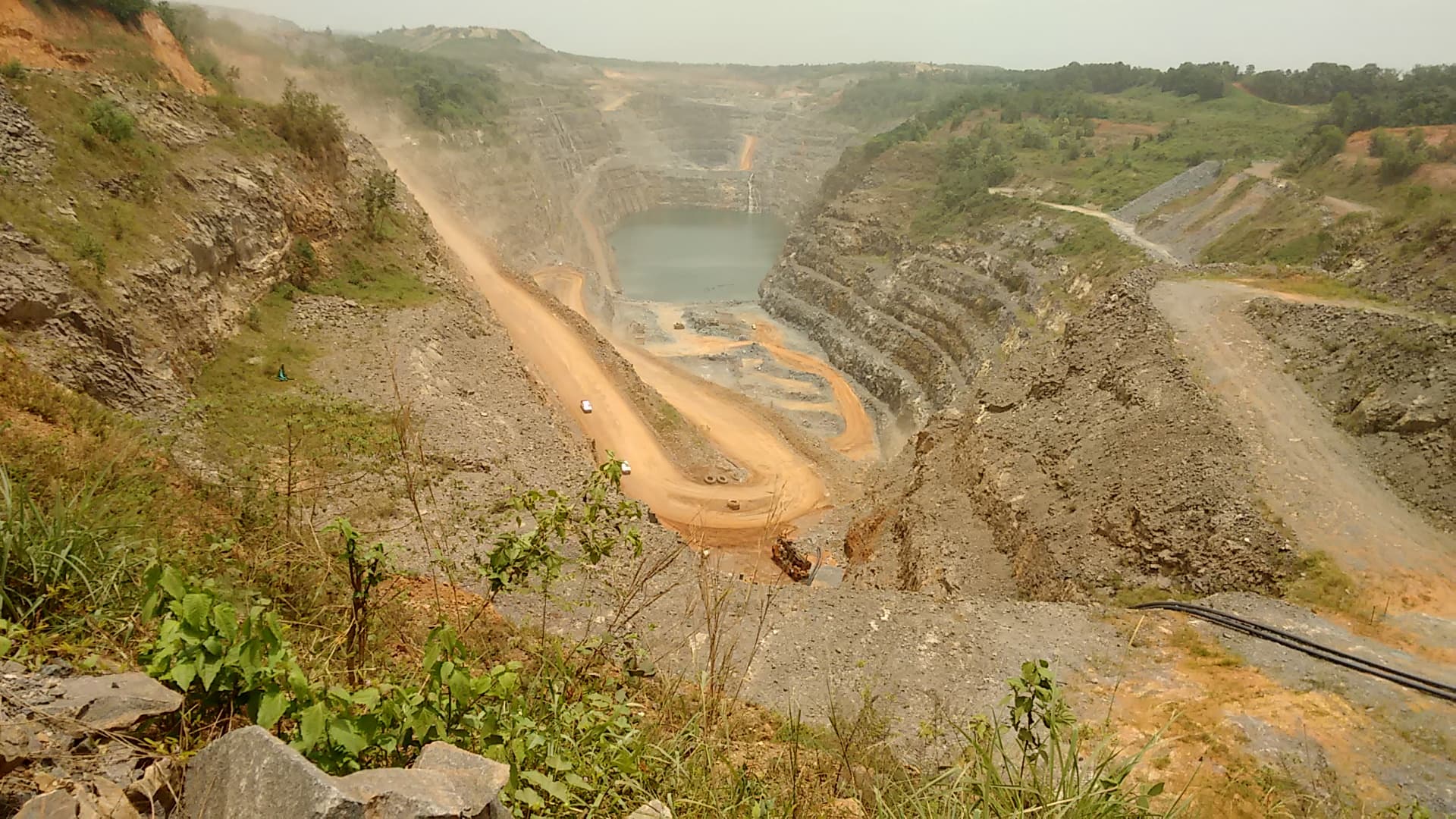
Phalaborwa is not a conventional mine: it aims to extract rare earth elements from roughly 35 million tonnes of phosphogypsum, an industrial waste product left behind by a defunct chemical plant, rather than from freshly mined ore. Rainbow Rare Earths expects construction of a processing facility to begin in early 2027, with extraction targeted to start in 2028 and the operation designed to run for about 16 years. The company has said it expects to supply predominantly the US market, including its defence sector, which depends heavily on rare earth elements used in magnets, sensors and other high-technology components.
Economics over politics
Analysts covering the deal framed the DFC's decision to proceed as evidence that critical-minerals supply security was, for now, outweighing broader diplomatic friction in Washington's calculus toward South Africa. The rare earths at the centre of the Phalaborwa project are considered strategically important because production and processing capacity outside China remains extremely limited, giving projects like this one significance beyond their individual scale.
What it means for South Africa
For South Africa, the continuation of the DFC-backed investment offers a rare point of economic continuity amid otherwise strained bilateral relations, and reinforces Phalaborwa's status as one of the more advanced rare earths projects on the continent. It also illustrates how discrete, strategically framed mining and critical-minerals investments can proceed on their own track even when broader government-to-government relationships sour.
Should Phalaborwa reach production on schedule, it would represent one of the first rare earths operations globally to derive its feedstock primarily from reprocessed industrial waste rather than freshly mined ore, a model that could offer a template for similar phosphogypsum stockpiles elsewhere in the world.
Sources
Was this useful?
More from MiningWrap

The whole sector in one weekly read.
Deals, policy and markets — every Thursday.
Discussion
Loading comments…