Sibanye-Stillwater's SA PGM EBITDA quadruples to R19.2bn on a 67% higher basket price
Output held broadly flat at 831,307 4E ounces while all-in sustaining costs rose 10%
Sibanye-Stillwater's South African platinum group metal (PGM) operations delivered adjusted EBITDA of R19.2bn ($1.2bn) in the six months to 30 June 2026, a 302% increase on the same period of 2025, as the average 4E basket price surged 67% to R43,996 an ounce ($2,681).
The division's performance was the largest contributor to group results published on 1 September, in which revenue rose 65% to R90bn and adjusted EBITDA more than doubled to R31.8bn. The board declared an interim dividend of 201c a share, about R5.7bn, and net debt halved to R9.7bn.
Steady ounces, higher costs
Total 4E production, including third-party purchase-of-concentrate (PoC) material, dipped 1% to 831,307oz. Managed output excluding PoC slipped 2% to 789,647oz. Underground production (excluding Mimosa) edged up 1%, but surface output fell 26% as the Marikana surface operations moved to a new feed source. Third-party PoC purchases rose 16% to 41,660oz.
All-in sustaining costs increased 10% to R26,252 per 4E ounce ($1,600), leaving an AISC margin of 44%. Notional free cash flow reached R10.4bn. The company's attributable share of Mimosa, its Zimbabwean joint venture with Implats, produced 55,002oz, 7% less than a year earlier, with AISC up 23% to $1,465 an ounce.
Capital and projects
Capital spending in the half was R2.64bn, roughly a third of full-year guidance of R8.0bn, split between ore reserve development, sustaining capital and R321m of project capital. Production from the Marikana K4 project rose 24%, the Siphumelele UG2 project at Rustenburg entered its build-up phase, and refurbishment work is under way at Thembelani and at the precious metals refinery. Mining Weekly reported that four brownfield projects are in execution.
Chief executive Richard Stewart said, according to Mining Weekly, that the result “confirms the importance of stable production, cost discipline and capital allocation” in turning supportive prices into lasting cash flow. The company kept its 2026 SA PGM production guidance at 1.65Moz–1.75Moz.
Why it matters
In February 2025, then chief executive Neal Froneman described the painful steps the group had taken to cut unprofitable South African gold and PGM production during an 18-month balance sheet restructuring. The first-half numbers show how much operating leverage those same assets carry when prices recover. They also show the limits: all-in sustaining costs rose 10%, and ageing Rustenburg shafts still face depletion. A week after the results, the company opened consultations on closing its Kwezi shaft, citing exhausted economic reserves.
Sources
- US SEC (Sibanye-Stillwater Form 6-K): Sibanye-Stillwater results for the six months ended 30 June 2026, 01 Sept 2026
- Mining Weekly: Sibanye-Stillwater earnings rocket 111%, R5.7bn dividend declared, 01 Sept 2026
- Miningmx: Sibanye-Stillwater plans chrome deal as nears end of restructure, 03 Feb 2025
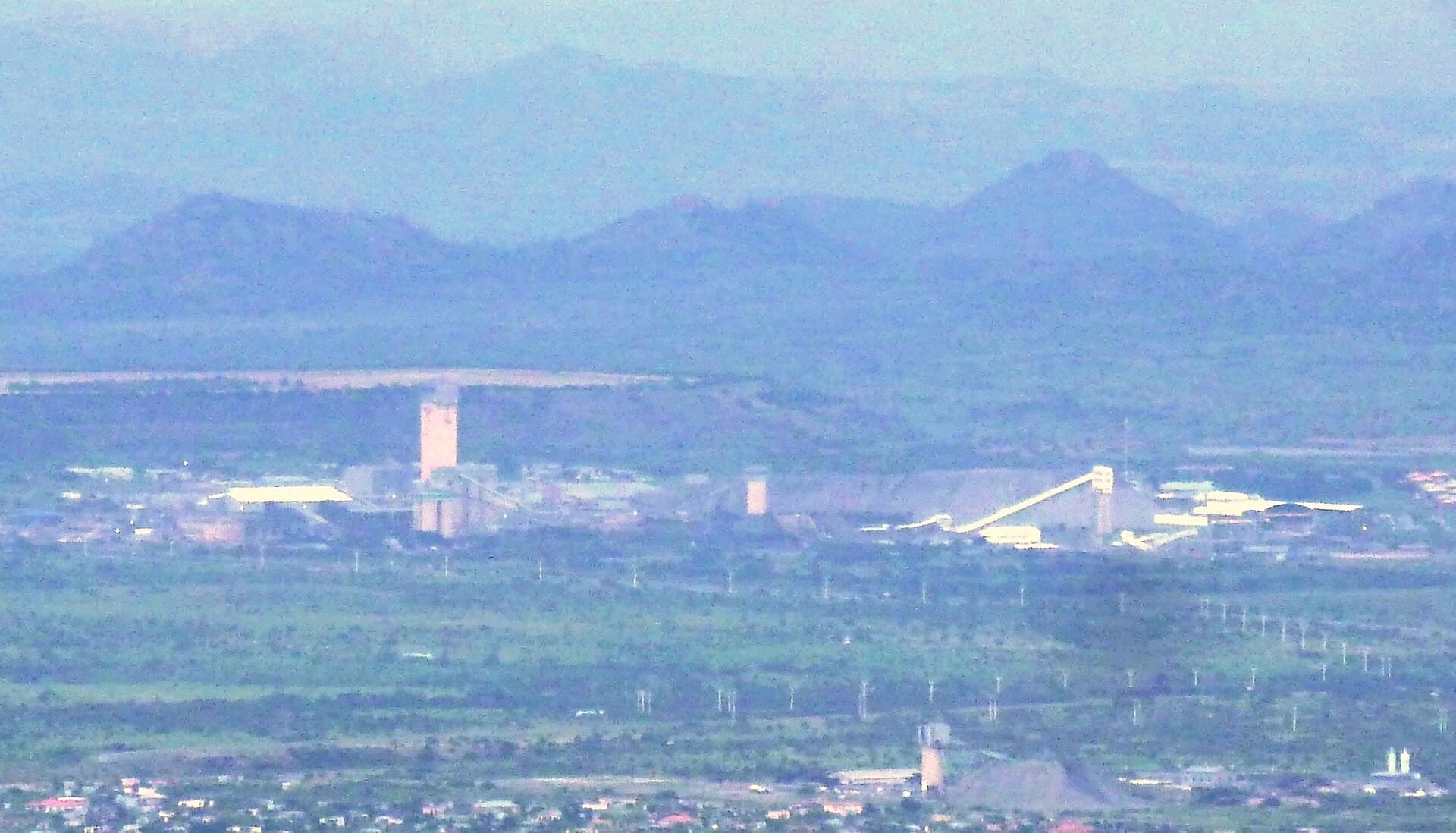
Photo: The Eastern Platinum Concentrator at the former Lonmin mine near Marikana, now part of Sibanye-Stillwater, seen from the Magaliesberg. JMK, Wikimedia Commons, CC BY-SA 3.0.
Was this useful?
More from MiningWrap
The whole sector in one weekly read.
Deals, policy and markets — every Thursday.
Discussion
Loading comments…