Ivanhoe's Q3 profit slumps on Kamoa-Kakula disruption
After-tax profit of $31m was less than a third of the year-earlier figure as flood recovery weighed on output
Ivanhoe Mines fell to a more than one-month low in Toronto trading after third-quarter results showed a sharp decline in profit caused by the continuing disruption at its flagship Kamoa-Kakula copper mine in the Democratic Republic of Congo.
For the three months to September, the Vancouver-based miner booked an after-tax profit of $31m, less than a third of the $108m recorded in the same period the previous year, and $2m lower than the second quarter. Adjusted EBITDA also fell from both comparison periods. The principal cause was the seismic activity in May and the subsequent flooding that disrupted production at Kamoa-Kakula: the operation produced 71,226 tonnes of copper concentrate in the quarter, compared with 112,009 tonnes in the second quarter and 116,313 tonnes in the same quarter of 2024.
Still within guidance
For the first nine months of the year, Ivanhoe's total copper production stood at 316,393 tonnes, keeping the company on track to meet its reduced 2025 guidance of 370,000 to 420,000 tonnes. Shares fell more than 5% after the results were released, touching as low as C$13.50 and giving the company a market capitalisation of C$19.3bn. Despite the decline, BMO Capital Markets maintained its price target of C$23 a share, betting on recovery.
Eyes on December
The company said its Stage 2 dewatering of the flooded Kakula mine was progressing towards an early-December completion, a milestone that would unlock access to higher-grade ore and, management hoped, put the worst of the year's disruption behind it. For investors, the quarter's soft profit figure was less a surprise than a confirmation of a trend already flagged in the reduced production guidance — the real test would be whether Ivanhoe could deliver the promised recovery on the timeline it had now staked its credibility on for a second time that year. Sales of copper concentrate fell alongside production, tightening the cash flow available to fund the dewatering programme just as its costs continued to climb.
Sources
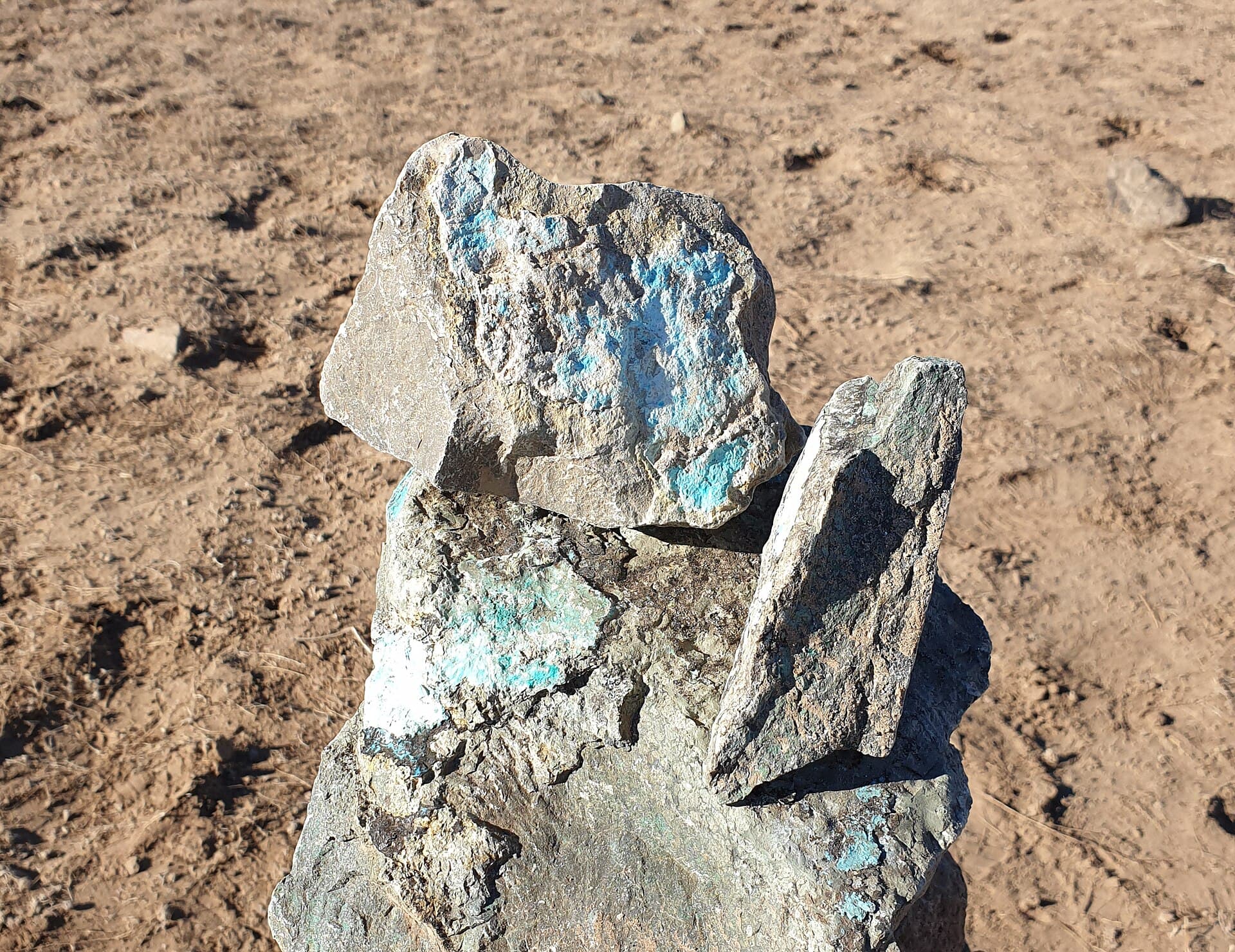
Photo: A sample of raw copper ore of the kind mined in the Central African copperbelt. S. Rae from Scotland, UK, Wikimedia Commons, CC BY 2.0.
Was this useful?
More from MiningWrap
The whole sector in one weekly read.
Deals, policy and markets — every Thursday.
Discussion
Loading comments…