Iridium and ruthenium tipped as PGM market's next big demand story
Analysts say AI-linked data storage, optical networks and semiconductors have already added 500,000 oz of incremental PGM demand in two years

As South Africa's platinum producers looked beyond the automotive sector for future demand, analysts and executives increasingly pointed to a narrower but potentially more price-sensitive story: artificial-intelligence-linked demand for iridium and ruthenium. According to figures cited by analysts, data storage, optical networks and semiconductor applications had already added roughly 500,000 oz of incremental PGM demand over the previous two years, against total annual platinum demand of about 7.7 million ounces.
Small markets, outsized price sensitivity
Nedbank Securities analyst Arnold van Graan explained why these niche uses matter disproportionately for prices, saying "these markets are small, concentrated and supply-constrained, meaning incremental demand does not need to be large to move prices materially." Investec's Nkateko Mathonsi forecast the iridium deficit would widen further in 2026, while the ruthenium deficit was estimated at around 14% of demand, tight markets by the standards of any traded commodity.
Platinum's own AI angle
Platinum itself was not left out of the AI-demand narrative: analysts pointed to potential demand growth of up to 83% in 2026 for platinum used in the fibreglass that reinforces microprocessor components, a comparatively obscure industrial use that had suddenly gained relevance as data-centre construction accelerated globally. Green hydrogen added a further, smaller contribution, with roughly 7,000MW of electrolyser capacity deployed during the year absorbing about 45,000 oz of PGMs.
Producer executives were cautiously encouraged rather than triumphant about the trend. Valterra Platinum chief executive Craig Miller said that "if you operate in the lower half of the cost curve, if you have well-capitalised assets and discipline around the execution of that, then you should be able to sustain new production" to meet whatever new demand materialised, a comment that captured the industry's broader instinct to let demand prove itself before committing significant new capital. For a sector accustomed to being defined almost entirely by the automotive cycle, the emergence of AI infrastructure as a genuine, if still comparatively small, source of PGM demand offered producers a new argument for optimism about prices even as electric vehicles continued to erode the traditional autocatalyst market. Producer executives said they would continue tracking the pace at which AI-linked industrial demand scaled up before committing meaningfully more capital to expand output of the niche metals involved, wary of repeating the industry's earlier experience of overestimating how quickly hydrogen demand would materialise.
Sources
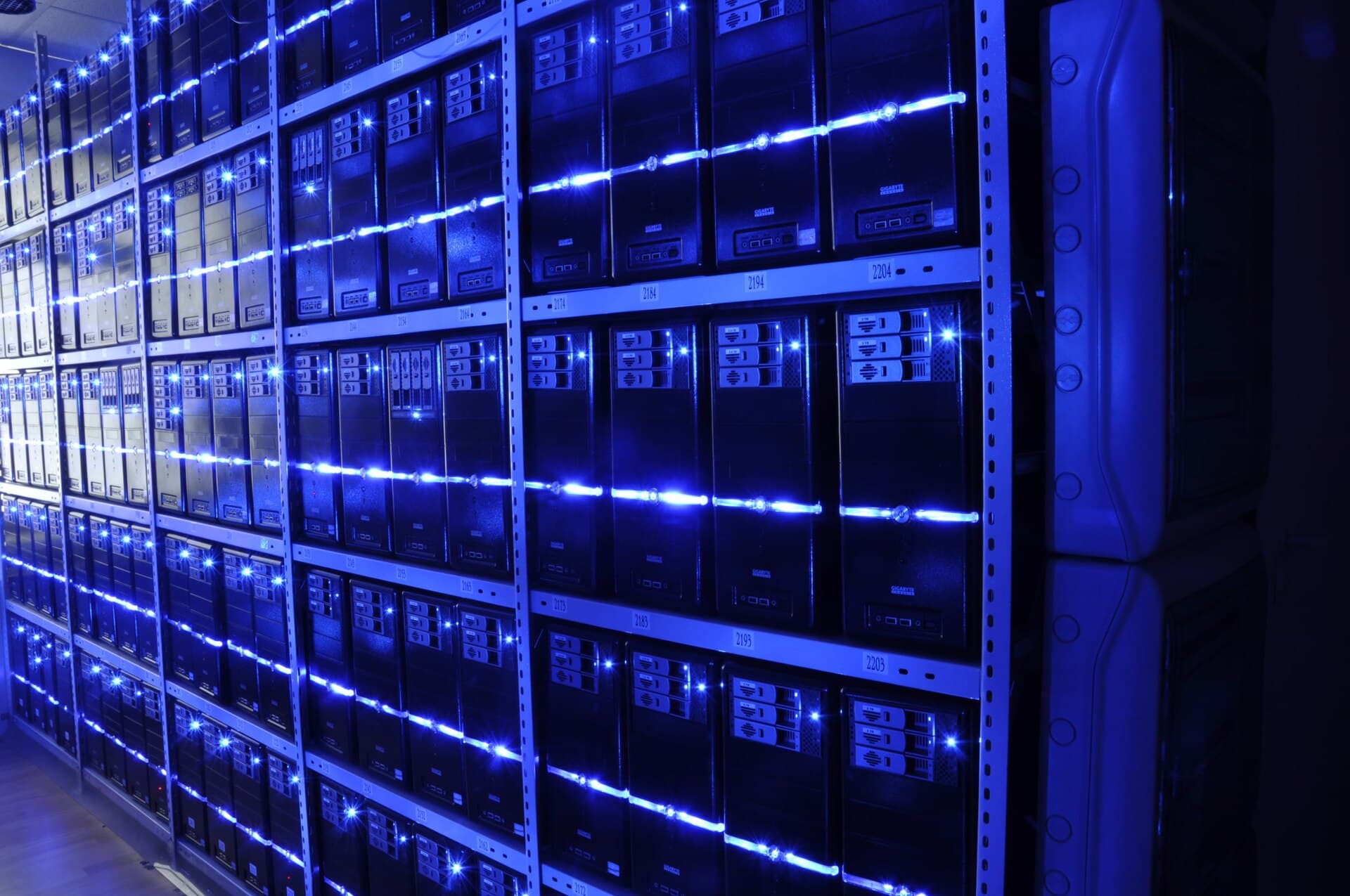
Photo: A data centre server room, the kind of AI infrastructure now driving new demand for iridium and ruthenium. Ana Las Heras, Wikimedia Commons, CC BY-SA 4.0.
Was this useful?
More from MiningWrap

The whole sector in one weekly read.
Deals, policy and markets — every Thursday.
Discussion
Loading comments…