Goldman Sachs slashes 2026 gold target back to $4,900
Fading ETF inflows and a hawkish rethink on US rates prompted the bank to reverse its January upgrade within five months
On 20 June 2026, Goldman Sachs cut its December 2026 gold price target from $5,400 an ounce back down to $4,900, reversing the upgrade it had made only five months earlier. The bank pointed to two converging pressures: gold ETF inflows, a key pillar of its earlier bullish case, had faded noticeably through the second quarter, and Goldman had by then removed all remaining 2026 interest rate cuts from its US rates forecast, reducing one of the key supports for a non-yielding asset like gold.
The revision came in the same window that spot gold itself was falling sharply, down more than 12% for the month of June and on track for its steepest monthly decline since October 2008, as easing geopolitical concerns shifted investor attention toward inflation risk and a firmer dollar.
A whipsaw year for forecasters and miners alike
Goldman's about-turn illustrated how quickly the consensus on gold had shifted: the same bank that in January had framed a structural change in gold's buyer base as justification for a record-high forecast was, by June, citing the unwinding of exactly that investment demand as reason to cut it. For South African gold producers, whose share prices had rallied hard on the January upgrade and then fallen even harder through the second quarter, the swing in Wall Street's own view was a useful gauge of just how sentiment-driven the 2026 gold market had become.
Downside risks flagged
Goldman's analysts also warned that near-term risks remained skewed to the downside, noting gold's vulnerability to further liquidation should geopolitical flashpoints, including tensions around the Strait of Hormuz, persist, or should bond and equity markets see a deeper correction that drew investors away from bullion and back into yield-bearing assets.
Local analysts noted that South African gold miners' share prices had already begun sliding well before Goldman's official downgrade, suggesting the market had priced in weakening momentum ahead of the bank's own research team, a reminder that JSE trading desks often move faster than the published forecasts that follow them.
Rival banks were divided in their response, with some analysts arguing Goldman had been too quick to abandon its bullish case just as central bank buying remained resilient, while others agreed that fading ETF demand justified a more cautious outlook for the balance of the year.
Sources
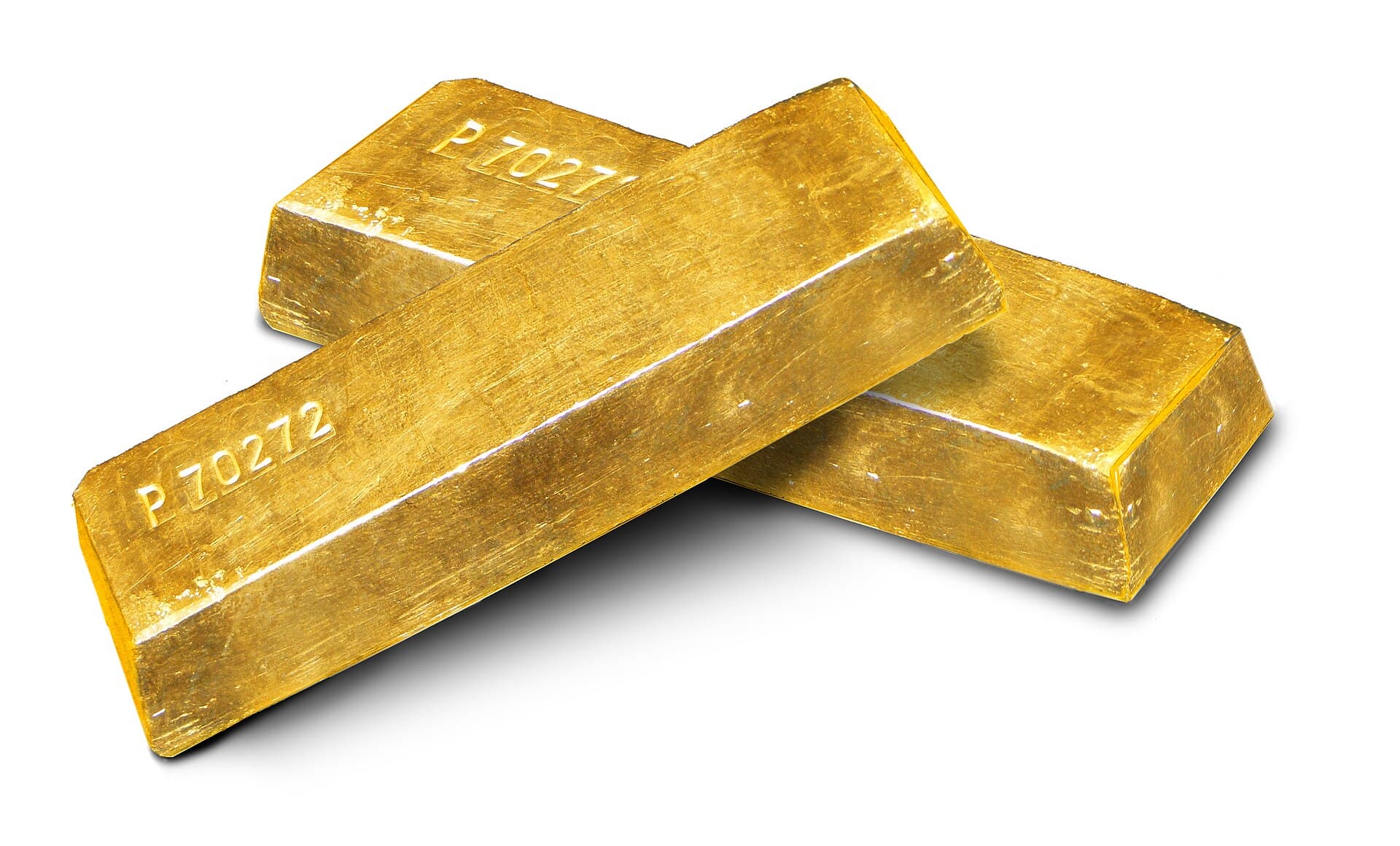
Photo: Gold ingots; Goldman Sachs cut its year-end 2026 price target for bullion in June. Szaaman, Wikimedia Commons, Public domain.
Was this useful?
More from MiningWrap


The whole sector in one weekly read.
Deals, policy and markets — every Thursday.
Discussion
Loading comments…