Gold's slump hands South African miners their toughest quarter since 2022
A 12% monthly fall in June wiped nearly a quarter off the JSE's precious metals index, with Sibanye-Stillwater down almost a third
A report published on 3 July 2026 laid out the scale of gold's mid-year reversal: having peaked near $5,600 an ounce in January, the metal fell more than 12% in June alone, its sharpest monthly decline since October 2008, and its worst quarterly performance in 13 years, leaving it just above $4,000 and down 4.6% for the year to that point. The World Gold Council described the outlook as "rangebound," pointing to a more hawkish US Federal Reserve outlook that reduced the appeal of non-yielding bullion relative to interest-bearing bonds.
The fall hit South African gold shares hard. The JSE's precious metals and mining index lost nearly 25% of its value in the second quarter of 2026. AngloGold Ashanti fell 19%, Gold Fields dropped 27% and Sibanye-Stillwater plunged by nearly a third, reversing much of the gains those same shares had posted during January's record-setting rally.
Costs were rising as prices fell
The reversal was made worse by cost pressures that had not eased even as revenue assumptions were cut: Minerals Council data cited in the report showed fuel prices remaining at least 20% above pre-war levels, squeezing margins at exactly the moment producers needed the cushion of a high gold price to absorb elevated input costs.
From record highs to a reset
The episode illustrated just how quickly sentiment toward South African gold miners can turn. Investors who had piled into Sibanye-Stillwater, AngloGold Ashanti and Gold Fields on the strength of January's record gold price found themselves nursing some of the sector's heaviest losses in years by the start of the third quarter, a reminder that South African gold equities remain a leveraged, and volatile, way to trade the bullion price rather than a defensive hedge in their own right.
Portfolio managers who had rotated heavily into South African gold shares during January's record rally found themselves defending sharply reduced positions to clients by the following quarter, a round trip that added to a broader debate within the local investment industry about how much exposure retirement funds should carry to a sector this volatile.
Company executives at the affected miners sought to reassure investors that cost-cutting programmes and hedging strategies put in place during the earlier upcycle would help cushion the impact, even as analysts questioned how much further margin protection those measures could realistically provide if gold stayed near $4,000 for an extended period.
Sources
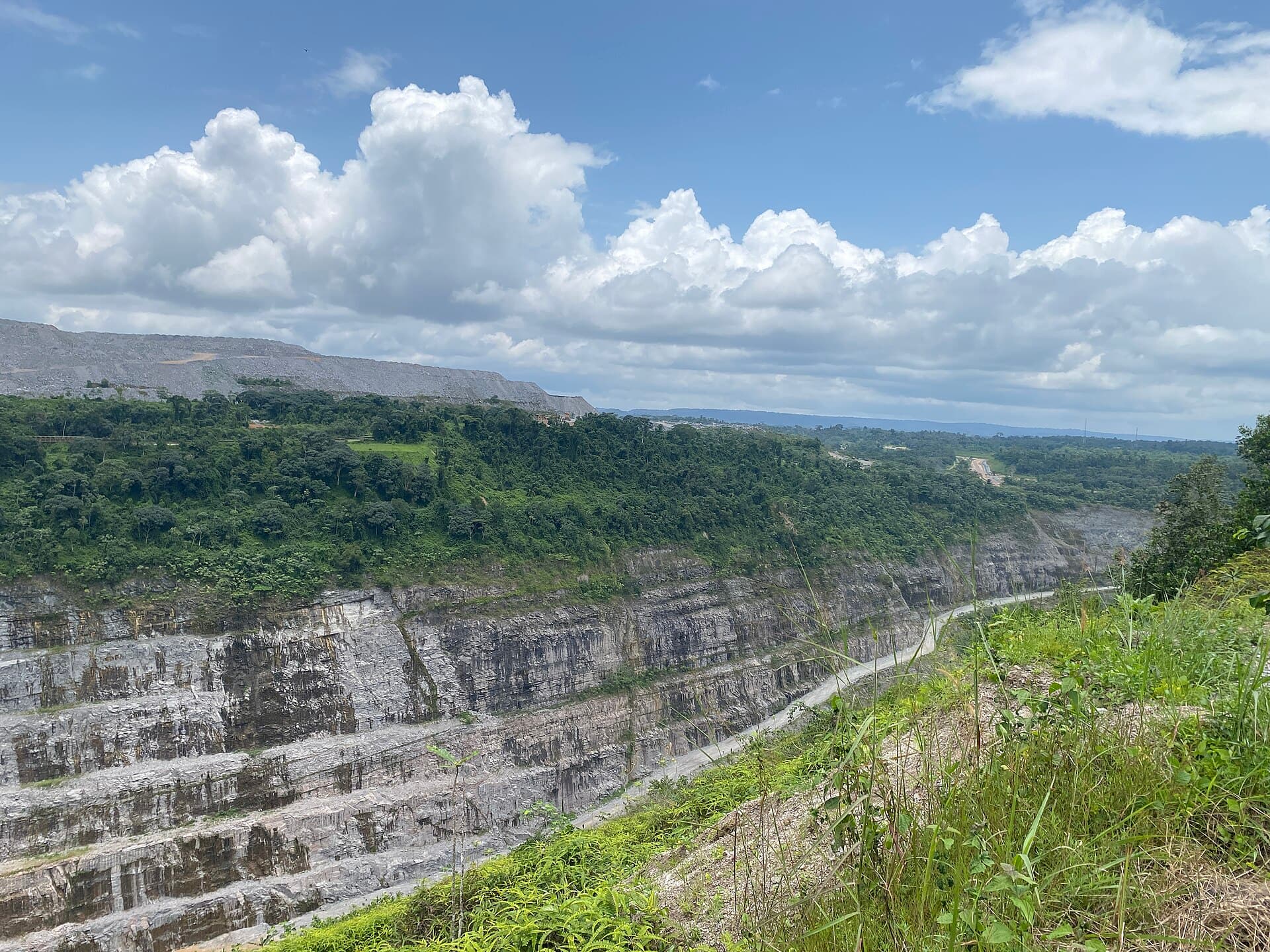
Photo: A surface mining pit operated by AngloGold Ashanti, one of the South African-listed gold miners hit hard by the mid-2026 price slump. Abby Imani, Wikimedia Commons, CC BY-SA 4.0.
Was this useful?
More from MiningWrap
The whole sector in one weekly read.
Deals, policy and markets — every Thursday.
Discussion
Loading comments…