Gold demand proves resilient even as Q2 price momentum cools
World Gold Council data showed central banks buying at a record second-quarter pace even as ETF investors pulled back
The World Gold Council's Gold Demand Trends report for the second quarter of 2026, published on 30 July, showed total gold demand flat year-on-year at 1,269 tonnes as the price eased back from January's record highs. For the first half of the year as a whole, demand was 2% higher year-on-year at an estimated 2,522 tonnes, worth about $380bn given the elevated average price.
The composition of that demand shifted markedly between the first and second quarters. Investment in gold ETFs, bars and coins fell to 262 tonnes in the second quarter as the lower price cooled the momentum seen earlier in the year, with gold-backed ETFs recording 45 tonnes of outflows even as bar and coin buying held relatively steady, down only 3% year-on-year. Central banks more than made up the difference: official-sector purchases reached 289 tonnes in the second quarter, more than five times the revised first-quarter total of 57 tonnes and the strongest second quarter on record.
Supply held steady despite lower prices
On the supply side, mine production rose 2% year-on-year even as a 6% decline in recycling, as lower prices discouraged people from selling old jewellery, left total supply broadly flat at 1,269 tonnes. Louise Street, senior markets analyst at the World Gold Council, said gold's early-year rally had reversed in the second quarter but that the market remained well supported by its role as a diversifier and store of value.
What it meant for African producers
For South African and other African gold miners, the report offered a reassuring signal amid a volatile year: even as speculative and ETF-driven demand cooled sharply from January's extremes, the more structural forms of demand, central bank reserves and physical bar and coin buying, held up, suggesting the floor under gold prices was firmer than the sharp mid-year correction might otherwise have implied.
Analysts at South African bullion desks said the report's central bank figures were particularly reassuring after the sharp June sell-off, since a strong quarter of official buying alongside a falling price suggested at least some large buyers viewed the correction as an opportunity rather than a warning sign.
Sources
- World Gold Council: Gold market shows resilience as price momentum cools in Q2, 30 Jul 2026
- Kitco News: Gold demand proves resilient despite Q2 selloff as central banks return and Asian buying remains strong, 30 Jul 2026
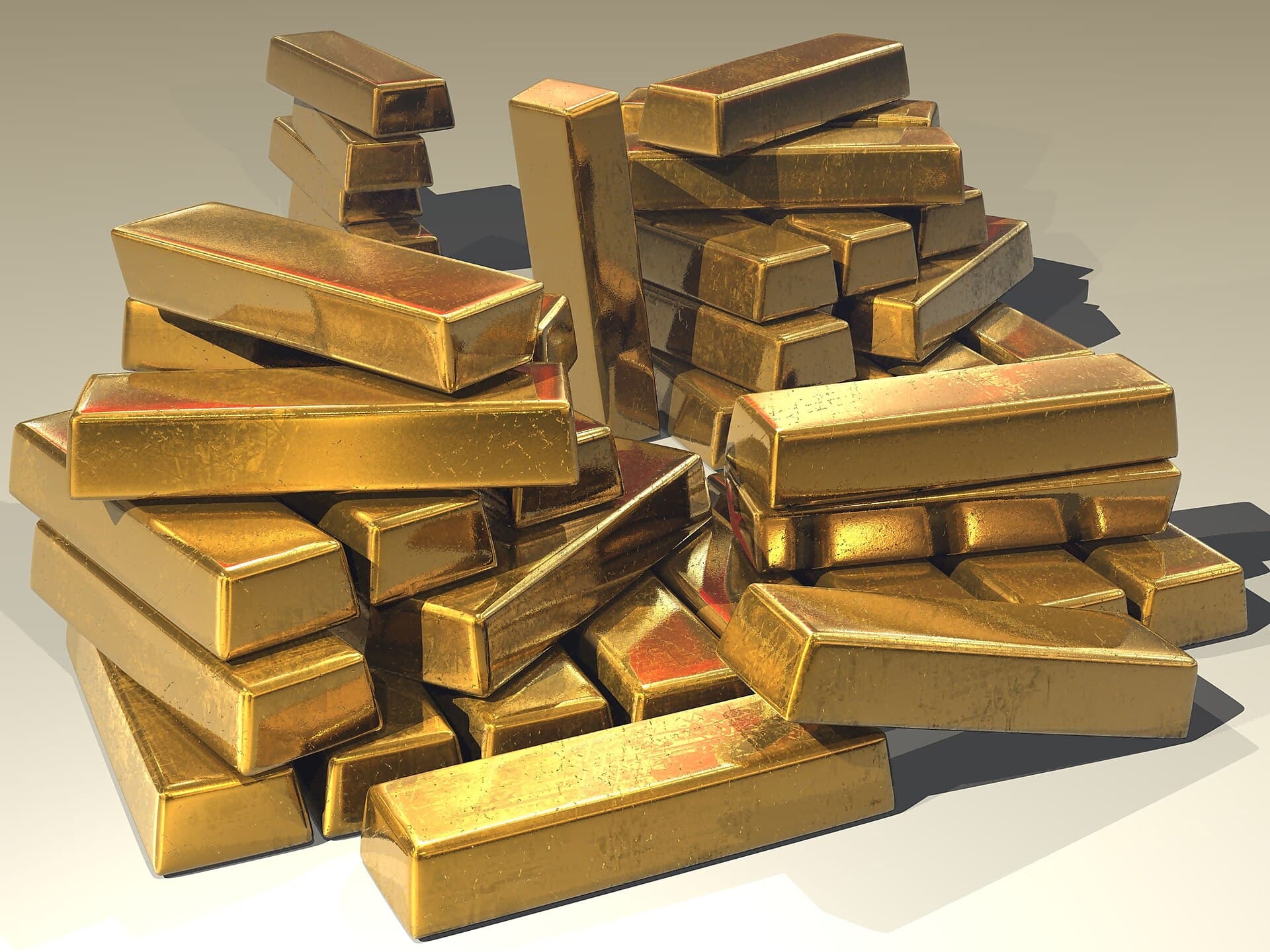
Photo: Gold bullion bars; central bank buying hit a record second-quarter pace in 2026 even as ETF investment cooled. Stevebidmead, Wikimedia Commons, CC0.
Was this useful?
More from MiningWrap
The whole sector in one weekly read.
Deals, policy and markets — every Thursday.
Discussion
Loading comments…