DRC suspends all cobalt exports for four months as prices hit nine-year low
ARECOMS cites the weak price environment as it moves to halt shipments from the source of over 70% of the world's cobalt
The Democratic Republic of Congo's Authority for the Regulation and Control of Strategic Mineral Substances Markets (ARECOMS) ordered a four-month suspension of all cobalt exports from 22 February 2025, with a review after three months. The move, confirmed in documents seen by Fastmarkets, came without warning to an industry that produces roughly 77% of the world's mined cobalt.
ARECOMS pointed to "the low-price environment at the start of the year" as its justification. Benchmark cobalt prices had fallen to their weakest level in nine years, driven by a market awash with metal: global refined supply was running around 27,000 tonnes ahead of demand, and China's imports of cobalt intermediate products had jumped 64.6% in 2024 to 188,056 tonnes as Congolese and Indonesian output surged.
A market caught off guard
The suspension landed just as Congo's biggest producers were still ramping up. China Molybdenum (CMOC), which operates the giant Tenke Fungurume and Kisanfu mines, had more than doubled its cobalt output in 2024 to 114,165 tonnes. In the final four months of that year alone, the DRC had shipped nearly 68,000 tonnes of cobalt hydroxide to China. Indonesia, the only other major source of the metal, produced about 31,000 tonnes in 2024 — roughly a tenth of global supply — leaving Congo with outsized power to move the market on its own.
"Everyone has been saying a black swan event like this is needed to jolt the cobalt market, but now it's here, everyone is surprised," one market participant told Fastmarkets in the days after the announcement.
Why it matters
For a government that earns a large share of its foreign exchange from mineral exports, an oversupplied market translates directly into lost royalties and taxes. By halting exports rather than production, Congo effectively forced miners — chiefly CMOC and Glencore, whose Kamoto and Mutanda operations are among the country's largest cobalt sources — to keep digging while stockpiling material they could not yet sell. That combination of continued mining and blocked exports was designed to tighten the market from outside, rather than asking companies to cut output voluntarily.
The suspension marked the opening move in what would become a year-long overhaul of how Congo manages its most important battery metal. It set the tone for everything that followed: an interventionist regulator prepared to use blunt export controls, rather than production limits, to try to reset a market it does not fully control but overwhelmingly supplies.
What happens next
ARECOMS built a three-month review into the suspension, leaving open the possibility of an early exit or an extension depending on how stockpiles and prices moved. Traders and refiners in China, the destination for the bulk of Congo's cobalt hydroxide, began bracing for a squeeze on feedstock even as producers kept mining ore they could not yet export.
Sources
- Fastmarkets: DRC imposes export suspension on cobalt, 24 Feb 2025
- IEA: Temporary suspension of cobalt export from the Democratic Republic of Congo, 22 Feb 2025
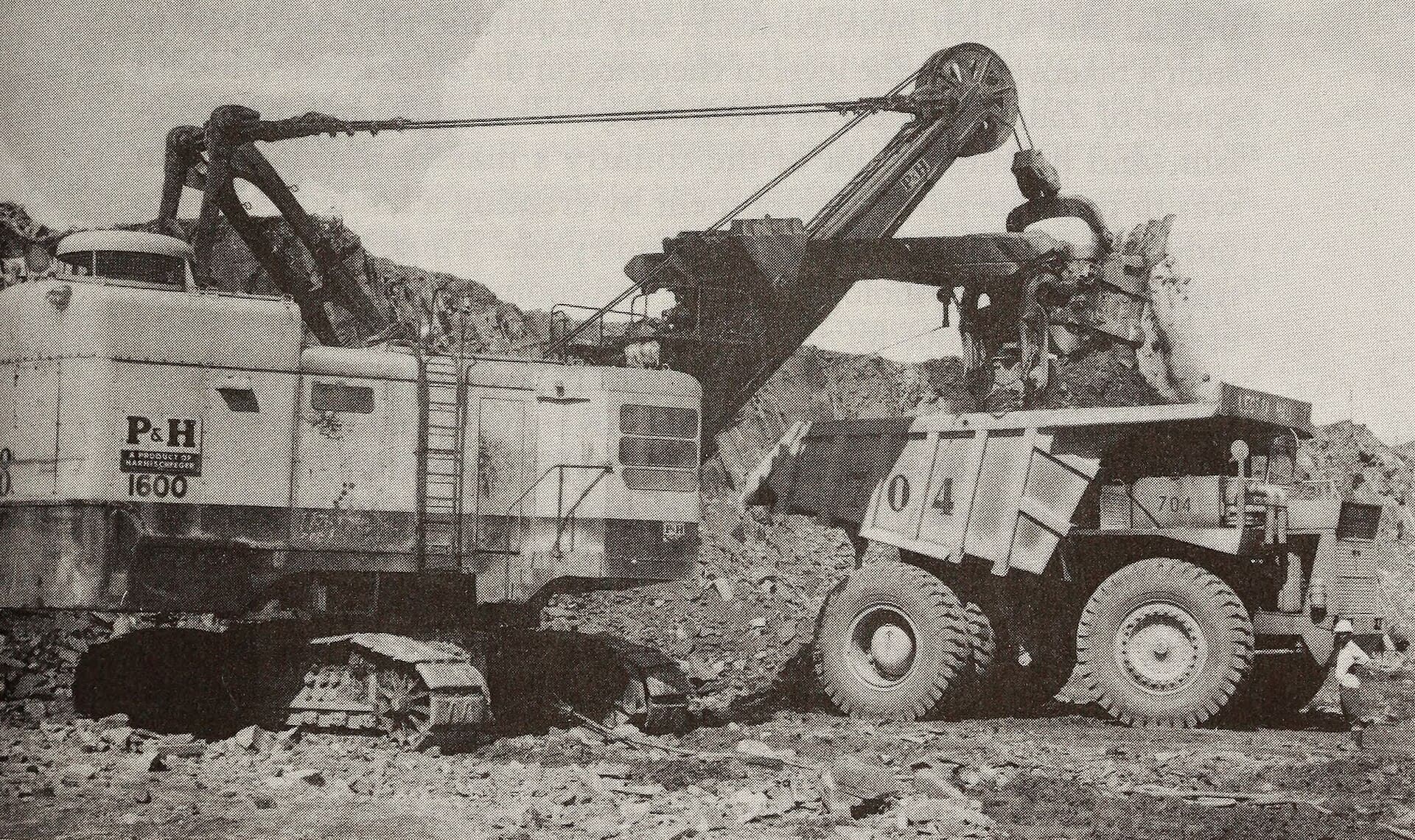
Photo: A steam shovel loading copper and cobalt ore for processing at a mine in the Democratic Republic of Congo's copperbelt. Gécamines (Zairian company), Wikimedia Commons, Public domain.
Was this useful?
More from MiningWrap
The whole sector in one weekly read.
Deals, policy and markets — every Thursday.
Discussion
Loading comments…