Central bank gold buying eases in January even as more countries join in
A World Gold Council update showed the pace of official purchases slowing even as the roster of buyer countries widened

World Gold Council data published on 3 March 2026 showed the momentum of central bank gold buying easing in January 2026, even as the base of countries participating in official-sector gold purchases continued to widen. The update came in the same month gold itself was setting record after record, climbing through $5,000 and on toward its eventual January peak near $5,589.
Despite the slower pace of net buying in the specific month, the Council's data continued to show a broadening pool of buyers, including central banks that had been inactive in the gold market for extended periods returning as purchasers, a trend that would be confirmed and extended in subsequent monthly updates through the rest of the year.
A pause, not a reversal
The January easing did not signal a change in central banks' underlying appetite for gold; if anything, official buying accelerated again within weeks, with the Council later reporting that central banks purchased 244 tonnes in the first quarter of 2026 on an initial estimate, before revised data settled at a still-solid 57 tonnes once reclassified against over-the-counter demand. Either figure was consistent with a continuation of the multi-year trend of elevated official gold purchases rather than a retreat from it.
Why the pace, not just the direction, matters
For gold-producing economies including South Africa, distinguishing between a genuine slowdown in central bank demand and normal month-to-month volatility in a lumpy dataset was important context for judging how much of gold's record-breaking January rally rested on official buying versus the private investment and safe-haven flows that dominated headlines at the time.
Analysts cautioned against reading too much into any single month's slowdown, noting that central bank purchase data is frequently revised and that the broader multi-year trend of rising official demand had shown no sign of reversing despite short-term fluctuations of this kind.
Market participants said the episode was a useful illustration of how lumpy and hard to interpret monthly central bank data could be in real time, reinforcing the case for judging the trend over quarters rather than single months.
Some strategists suggested the January dip reflected temporary logistical and reporting delays among smaller buyers rather than any genuine change in appetite, a reading later data through the rest of the first half of 2026 appeared broadly to support.
Sources
- World Gold Council: Central bank gold statistics: Momentum eases in January while demand base broadens, 03 Mar 2026
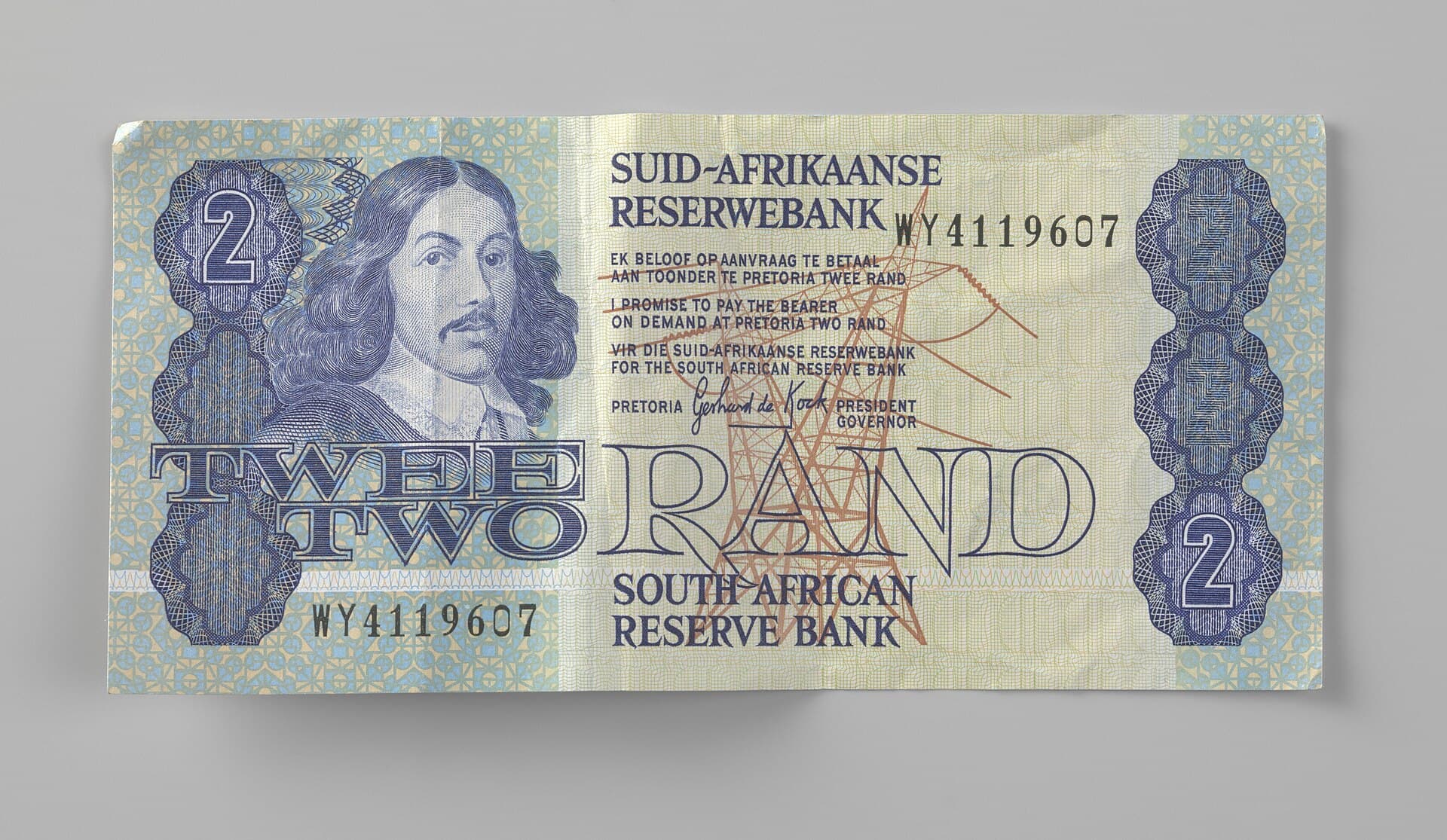
Photo: A national reserve bank building; central bank gold buying momentum eased in January 2026 even as more countries joined in. Raw stuff, Wikimedia Commons, CC BY-SA 4.0.
Was this useful?
More from MiningWrap


The whole sector in one weekly read.
Deals, policy and markets — every Thursday.
Discussion
Loading comments…