B2Gold sanctions Antelope underground expansion at Namibia's Otjikoto mine
A cheaper-than-expected $105m development plan should add 110,000 ounces of annual gold output at one of the country's largest mines
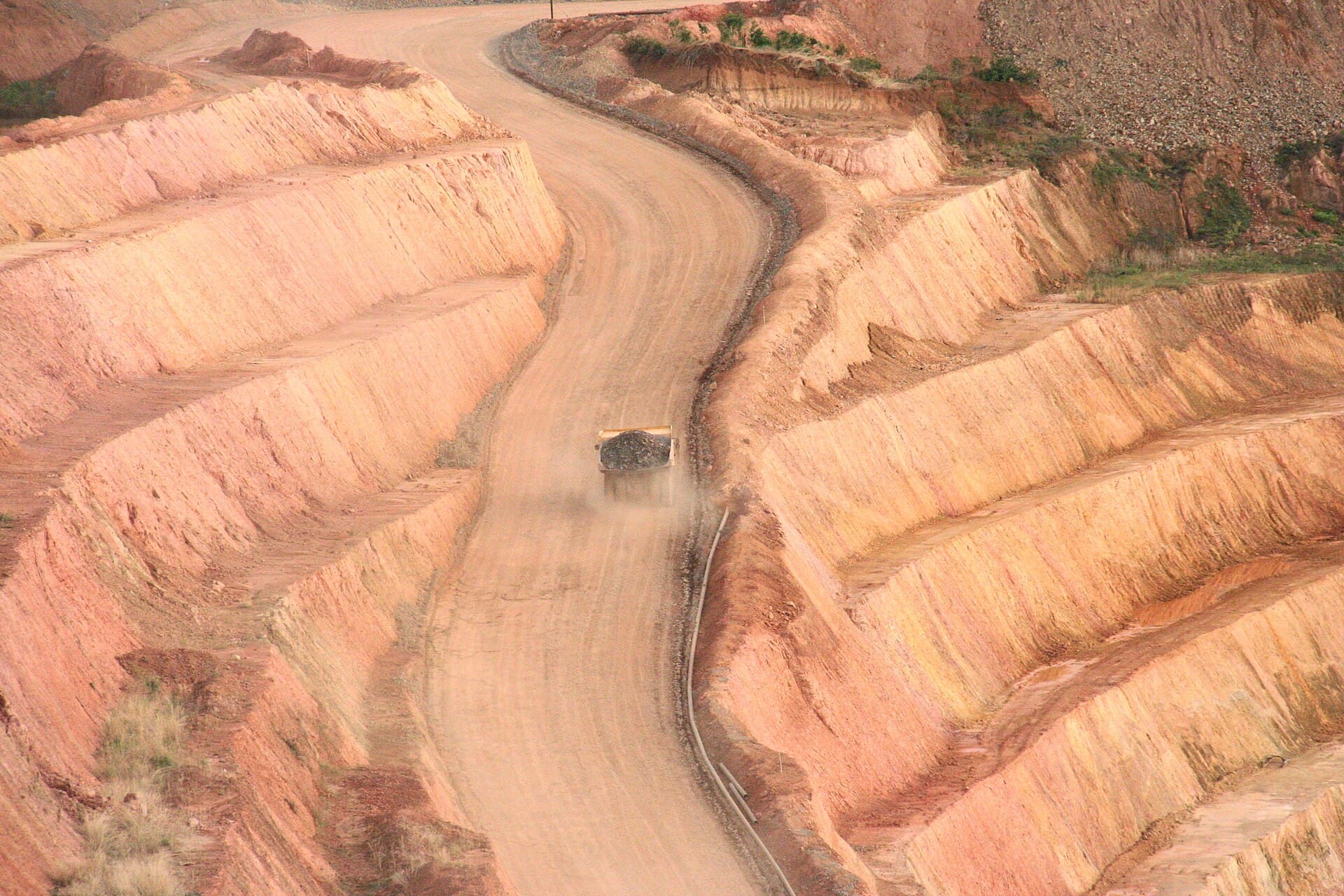
B2Gold announced on 15 September 2025 that it had taken a positive development decision on the Antelope underground deposit at its Otjikoto gold mine in Namibia, after an updated study cut the estimated pre-production capital cost to $105m from an earlier $129m. The Vancouver-listed miner holds a 90% interest in Otjikoto, which produced 199,139 ounces of gold in 2025, with the Namibian government holding the remaining stake.
A cheaper path to more gold
B2Gold said it planned to invest at least $105m in Antelope's development across 2026 and 2027, targeting an additional 110,000 ounces of annual gold production once the underground operation is up and running, a meaningful lift for a mine that already ranks among Namibia's most significant. For 2026, the company budgeted total capital expenditure of about $57m at Otjikoto, split between $26m of sustaining capital and $31m of non-sustaining capital tied largely to Antelope's development, alongside continued work on the Wolfshag underground section and tailings storage expansion.
Namibia's growing role for B2Gold
Otjikoto has become an increasingly important part of B2Gold's global portfolio alongside its Fekola mine in Mali, and the company has said it plans to spend roughly N$915m in Namibia in 2026 across sustaining and growth capital. Namibian officials have highlighted B2Gold's continued reinvestment as evidence the country's mining and fiscal framework can retain and grow international mining capital even as it also pursues rapid growth in uranium and, more recently, offshore oil and gas exploration.
What it means for the mine's life
By moving straight from a feasibility study to a positive construction decision at a lower capital cost than first estimated, B2Gold extends Otjikoto's productive life and underlying value without needing external project financing, funding the expansion instead from its own group cash flow at a time when gold prices have made that a comparatively easy call for most established gold producers.
The decision also reflects a broader pattern among established gold producers of favouring brownfield expansions at known, de-risked deposits over higher-risk greenfield exploration, a preference that has become more pronounced as construction costs across the industry have risen alongside record bullion prices.
Sources
Was this useful?
More from MiningWrap
The whole sector in one weekly read.
Deals, policy and markets — every Thursday.
Discussion
Loading comments…